What does this booth types collection cover?
It covers the active Knoxville routes in this taxonomy and connects each one to real market use cases.
Exhibit Formats
tradeshowservicesknoxville.com organizes booth types around Knoxville venues, district patterns, and the planning details that affect timing, layout, and scope.
Booth formats
Booth format
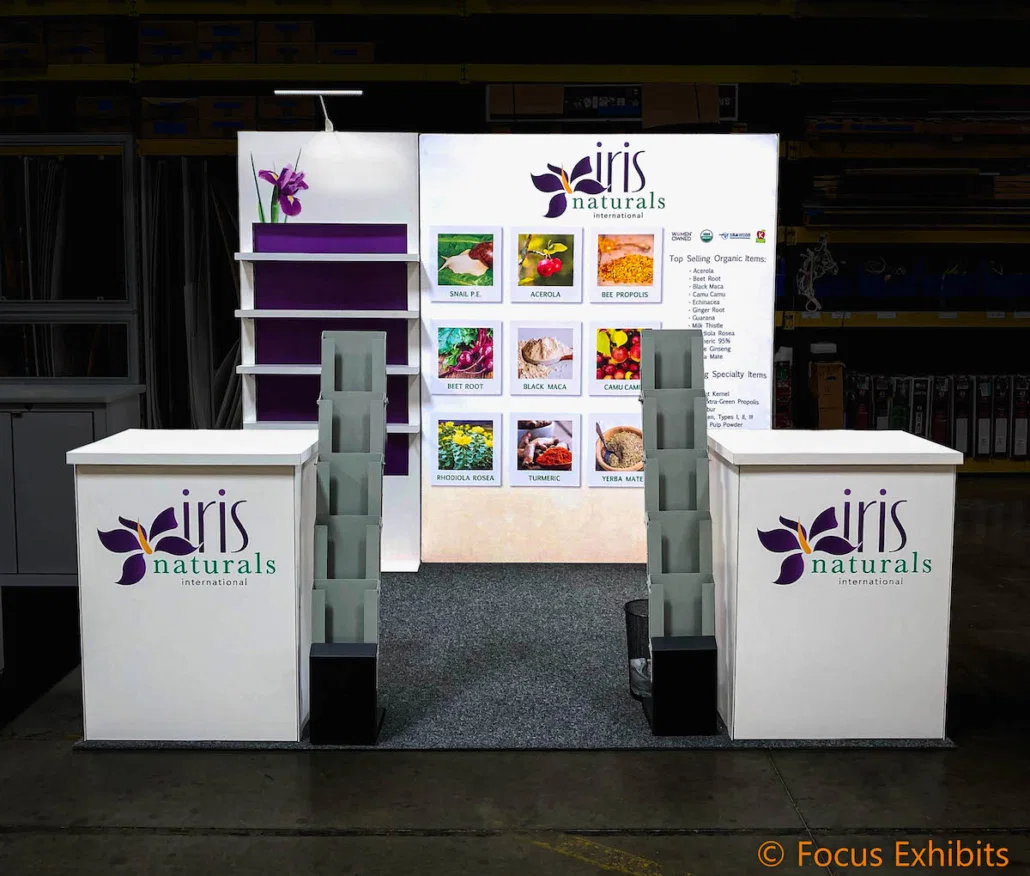
The displays is a footprint decision before it is a design decision. The aisle width, the column placement, and the freight reality all set the shape of the booth before the graphics get drawn.
Read the brief →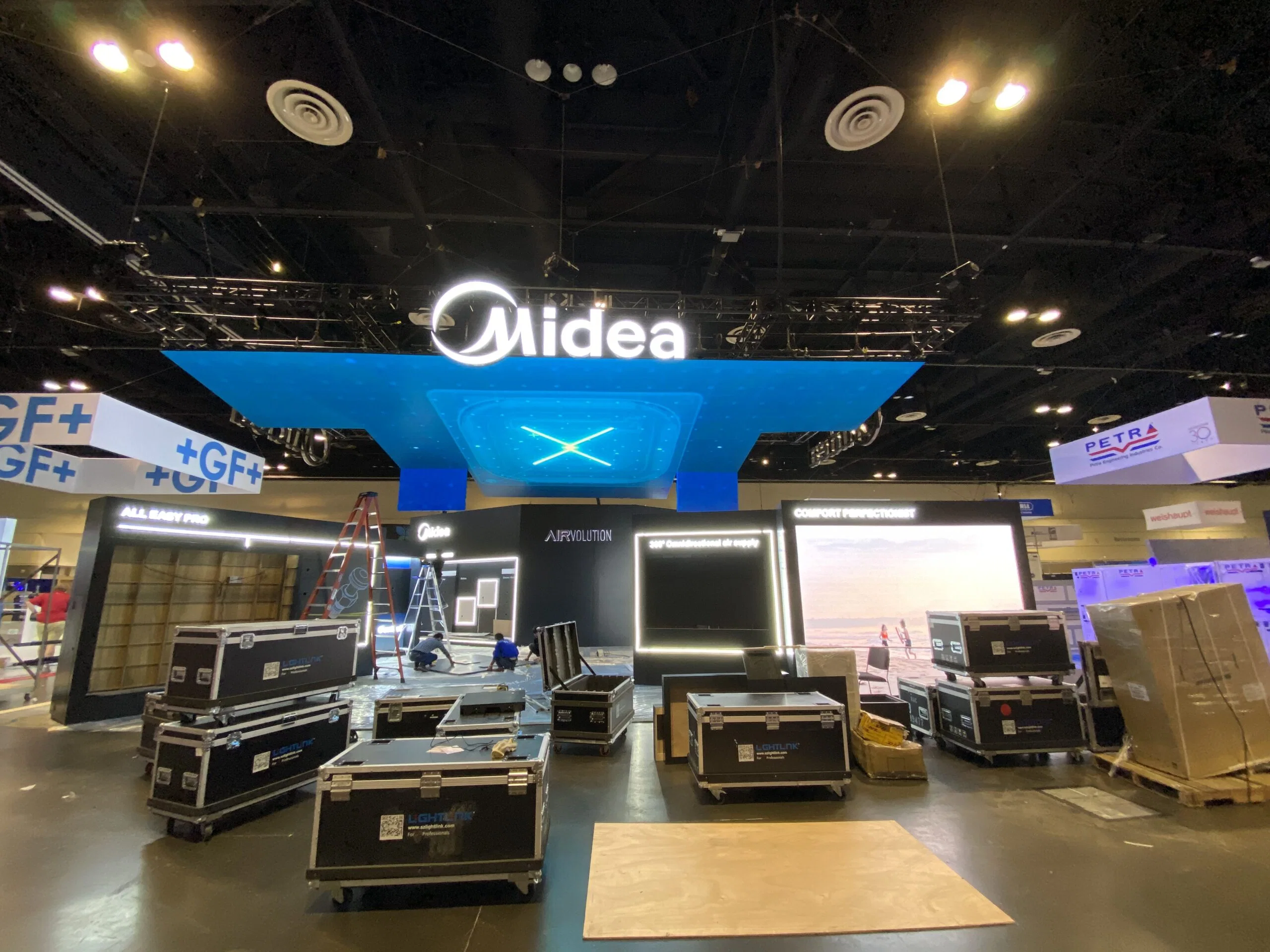
Booth format
The booths is a footprint decision before it is a design decision. The aisle width, the column placement, and the freight reality all set the shape of the booth before the graphics get drawn.
Read the brief →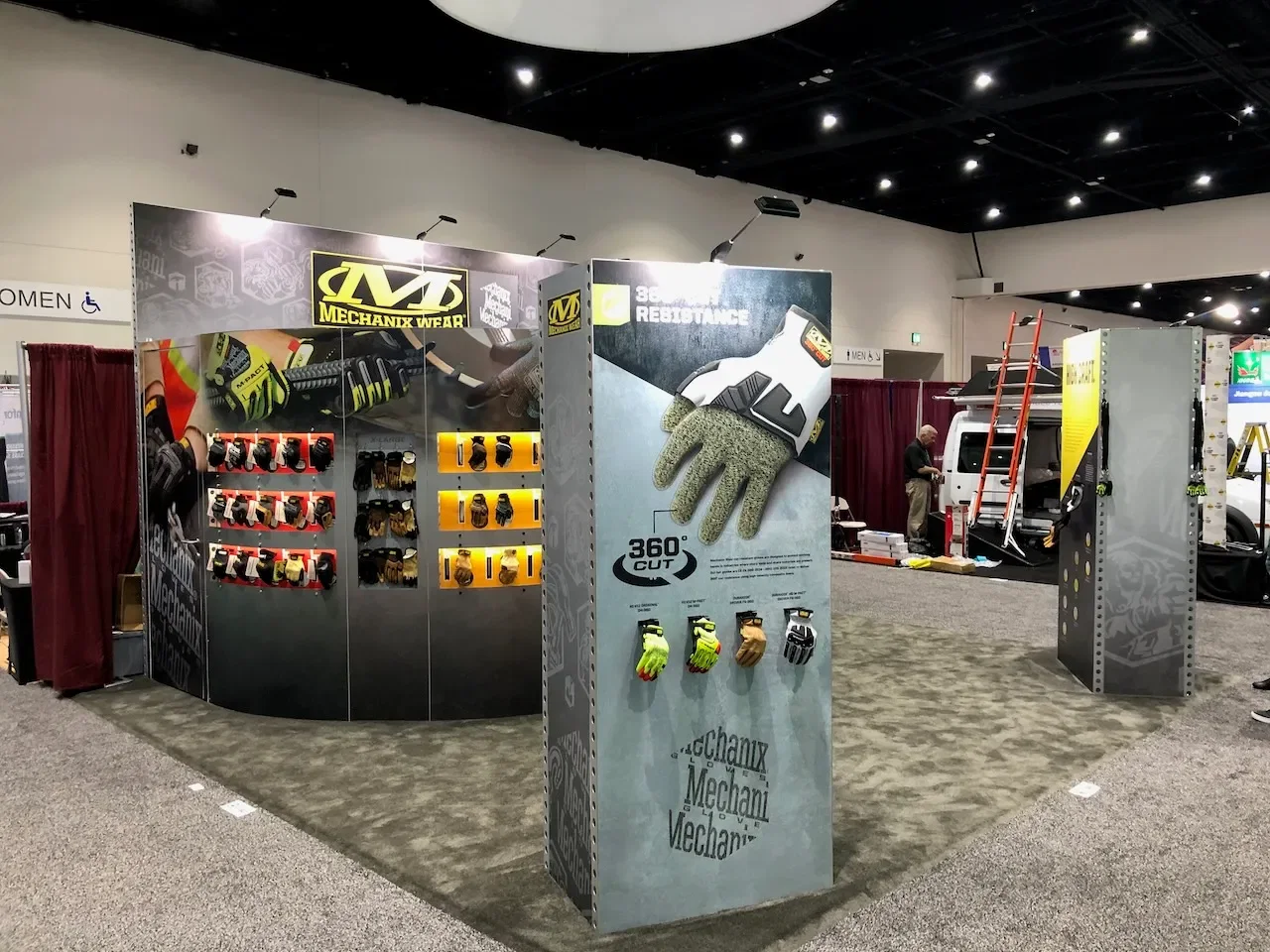
Booth format
A modular booth built for Knoxville's tightest venue constraint travels reliably between the convention center, the Expo Center, and the Smokies-ring halls.
Read the brief →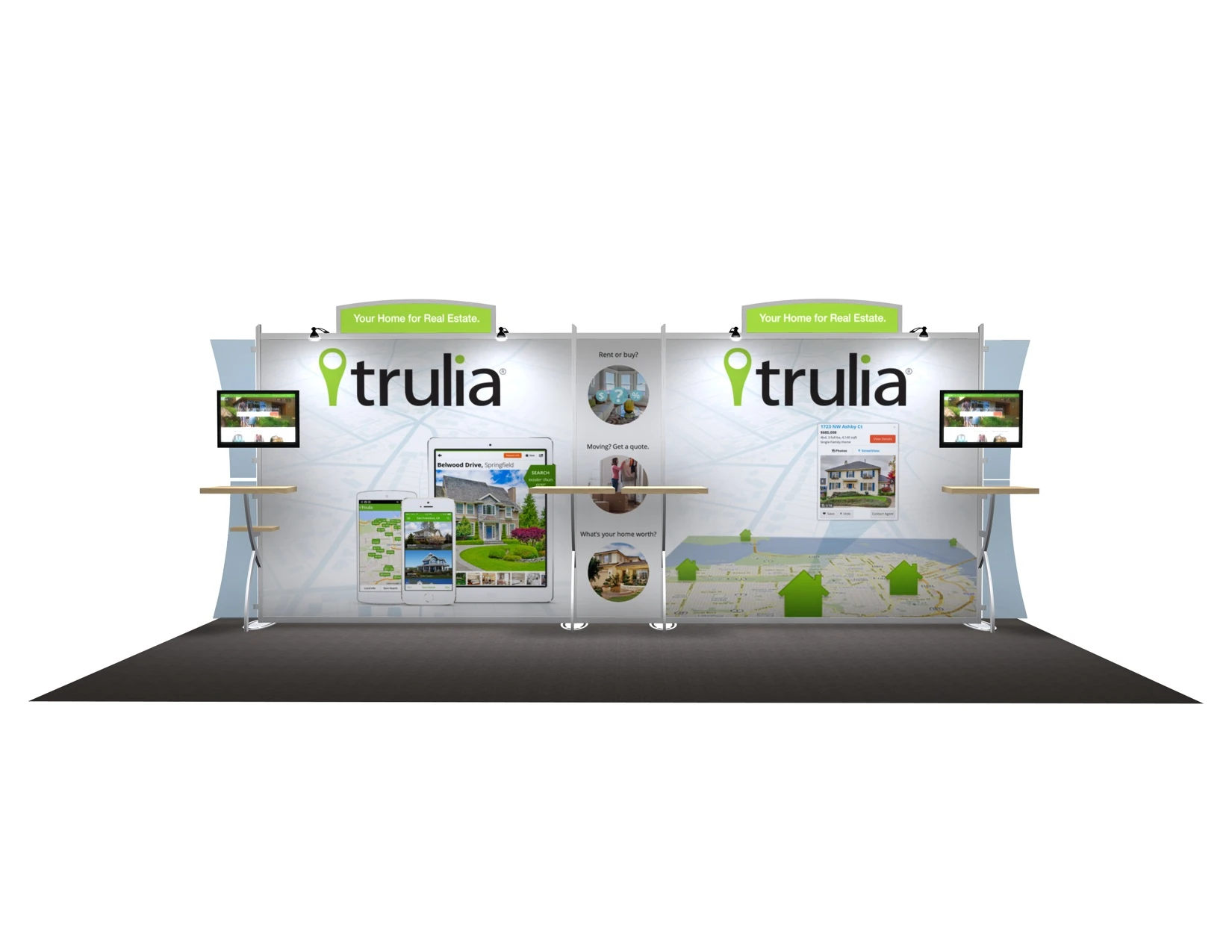
Booth format
Portable displays suit the smaller booth footprints of Knoxville's Smokies-ring regional shows, where vehicle transport between stops beats freighting a heavier build.
Read the brief →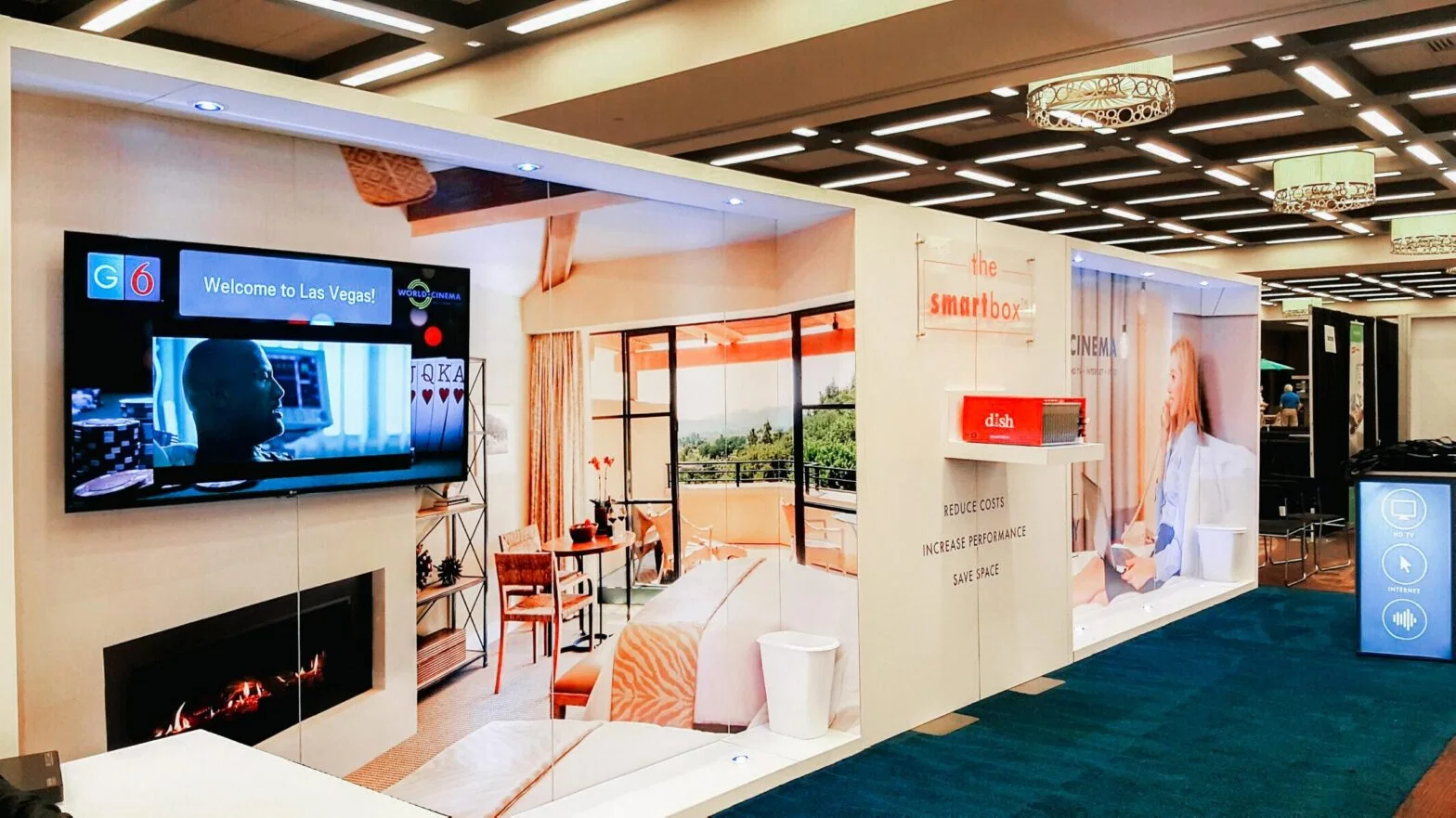
Booth format
Custom booths in Knoxville carry weight with the Oak Ridge-adjacent technical audience, but structural elements have to clear the specific venue's rigging and floor-load rules.
Read the brief →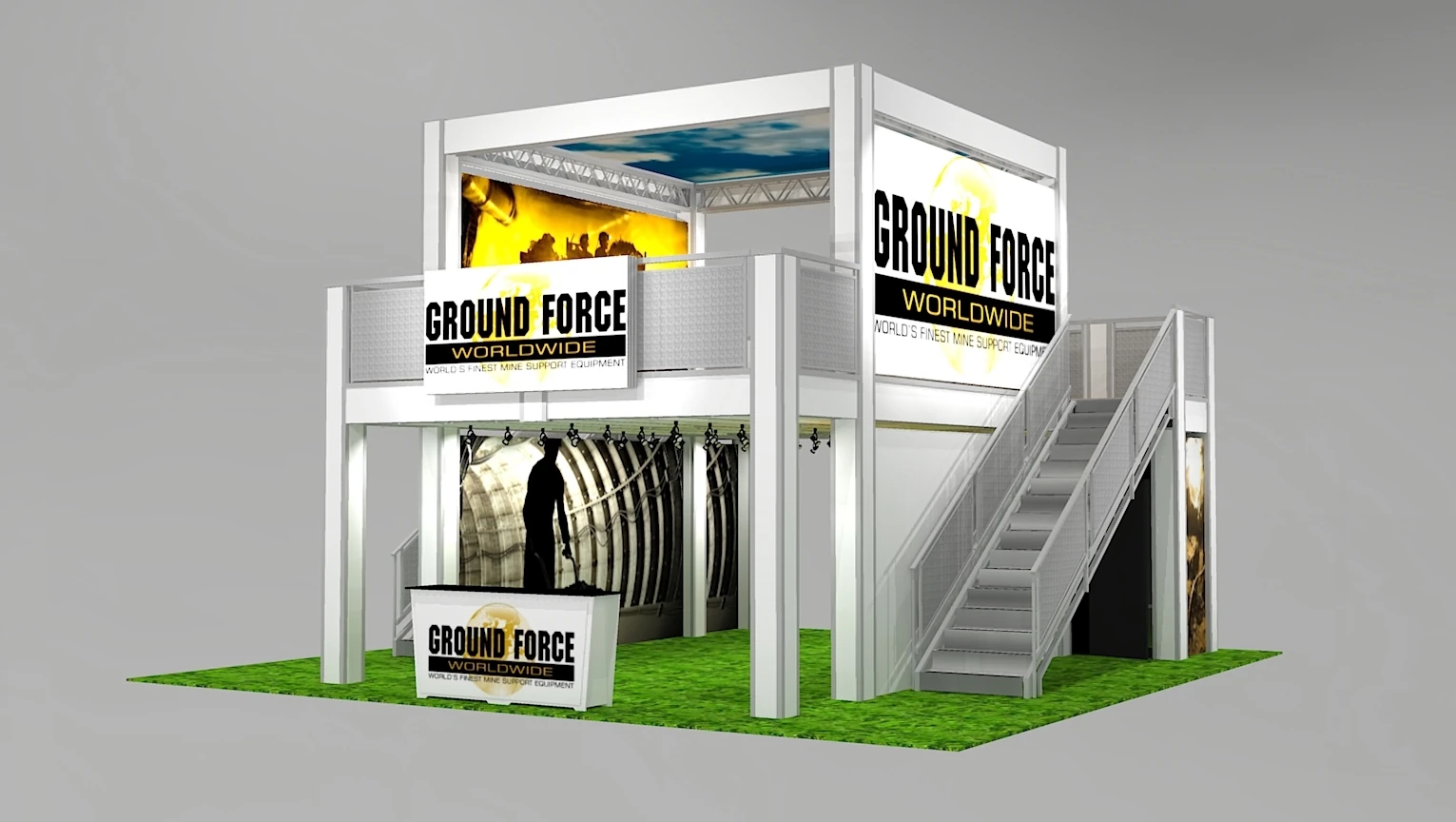
Booth format
A double deck exhibit in Knoxville depends on confirming clear height at the specific booth location and building the venue's engineering review into the schedule early.
Read the brief →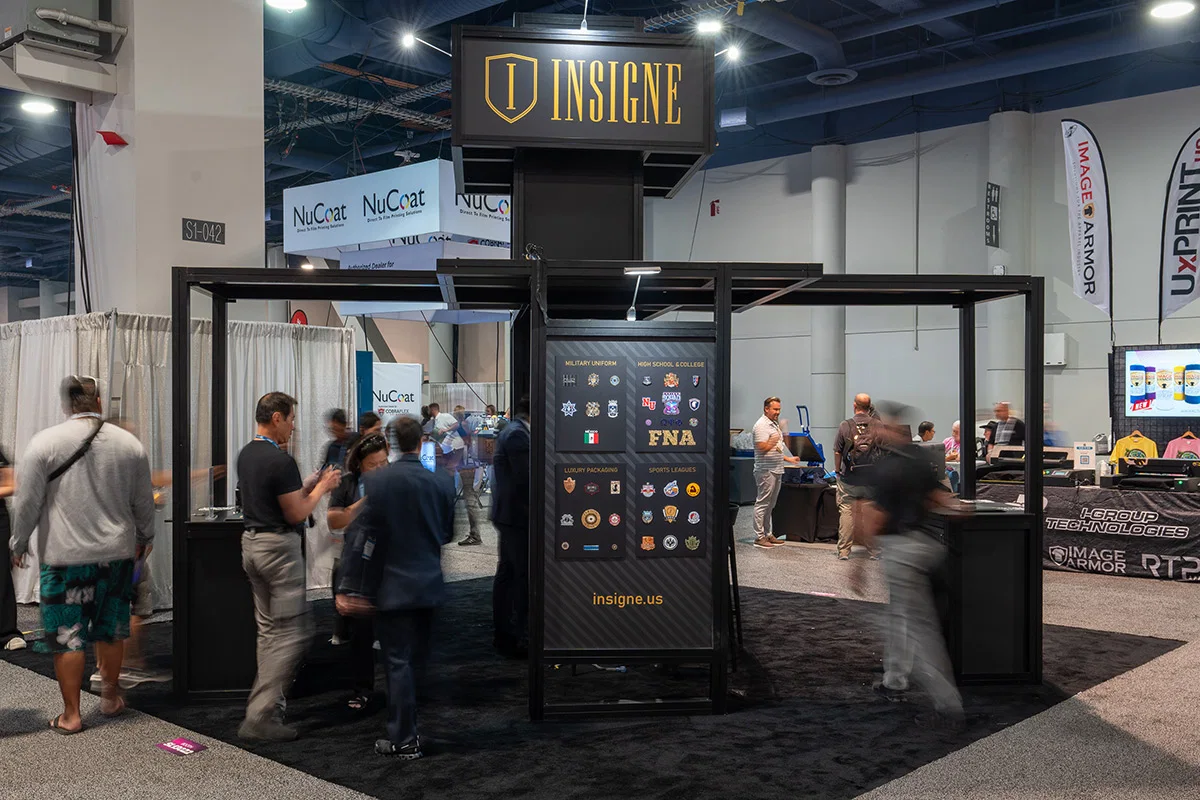
Booth format
Rental booths suit a first Knoxville-area show, but local supplier inventory is smaller than in major hubs, which makes early booking more important, not less.
Read the brief →
Booth format
Conference booth displays in Knoxville have to fit hallway and pre-function space at meeting-focused venues, which caps size well below a trade show floor.
Read the brief →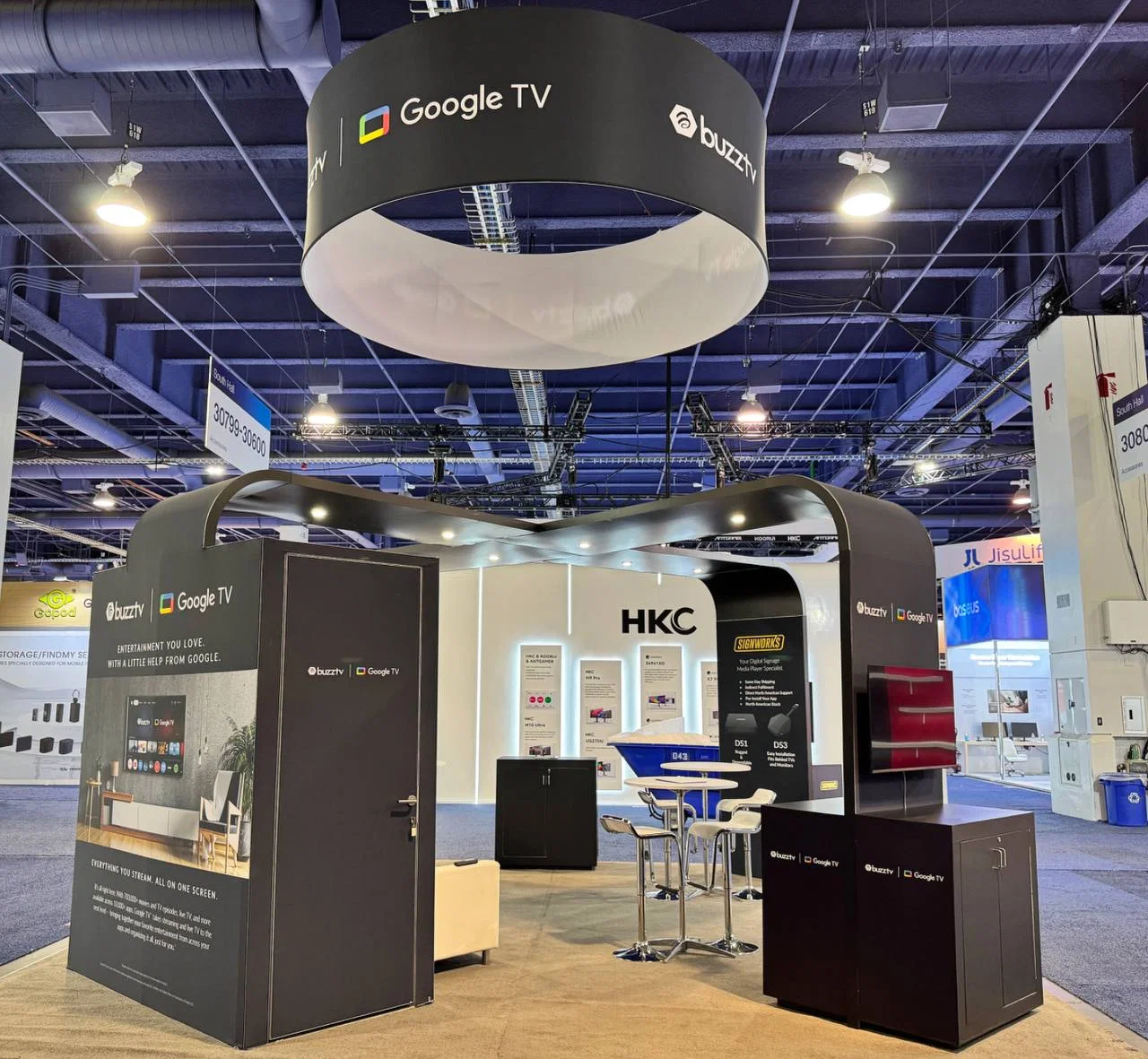
Booth format
A peninsula booth's three open sides only pay off with the right floor location, making corner or main-aisle placement more important than square footage alone.
Read the brief →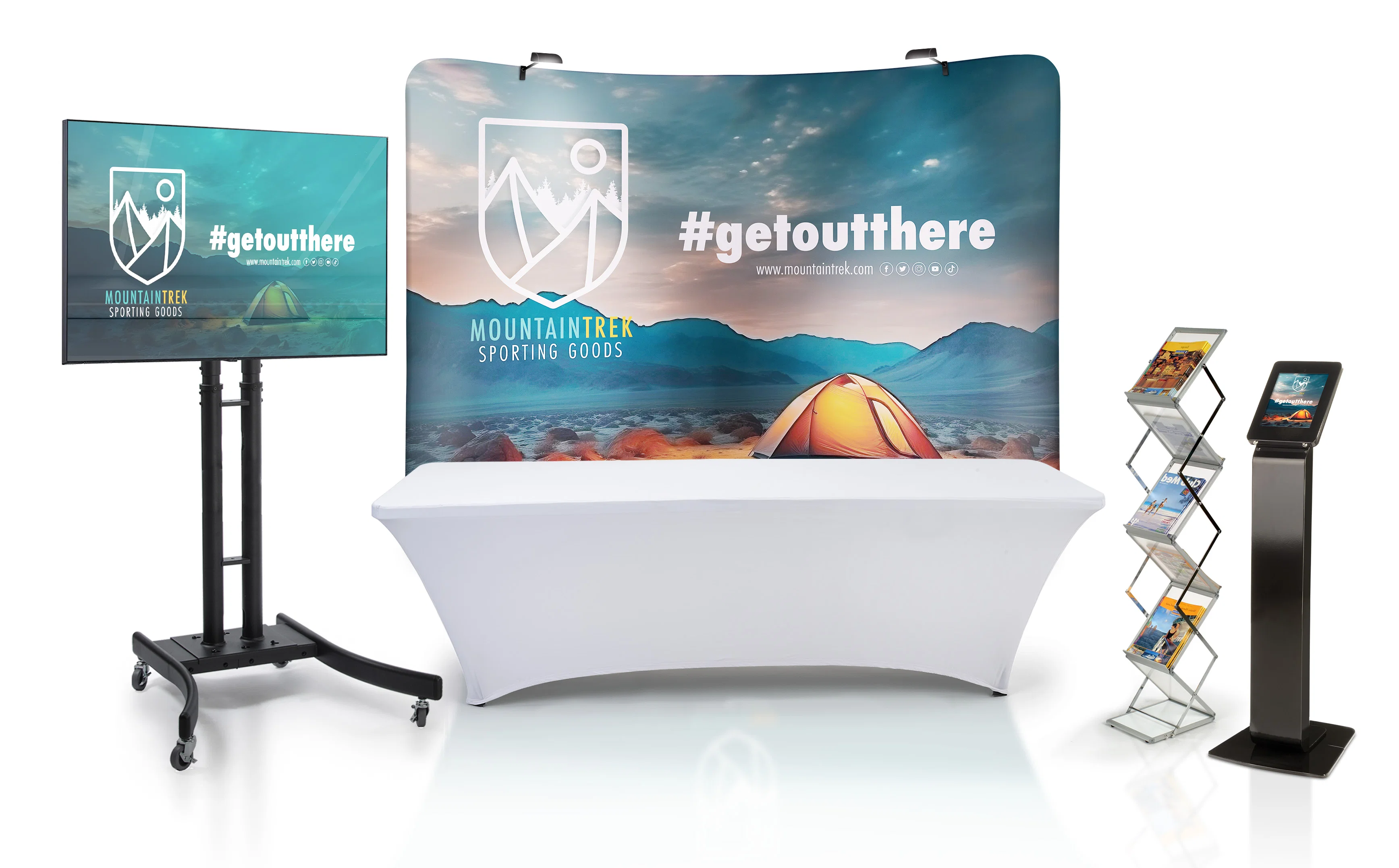
Booth format
Tabletop displays are the required format at many Knoxville-area events, not a downgrade, and deserve the same design attention as a full booth.
Read the brief →Booth format
A 10x10 trade show booth is roughly 100 square feet of inline space, and in Knoxville it is the unit most consumer shows and vendor expos actually sell. The job is to make one open side count without crowding the aisle.
Read the brief →Booth format
A 10x20 trade show booth is about 200 square feet of inline space, two standard units side by side. It buys room for a meeting corner, a demo, and storage while still living in a single row.
Read the brief →Booth format
A 20x20 trade show booth is a 400-square-foot island, open on all four sides. In Knoxville it is the footprint that turns an exhibit into a destination, and it lives where the hall has the contiguous space to support it.
Read the brief →Booth format
Backlit and LED displays trade printed graphics for light. SEG fabric light boxes glow evenly, and LED video walls turn a booth into a screen, but in Knoxville both start with a power and rigging conversation, not a creative one.
Read the brief →Booth format
Banner stands and retractable displays are the most portable tools in the kit. A roll-up or tension banner sets up in minutes, travels in a case, and in Knoxville it covers everything from a registration desk to a full breakout room.
Read the brief →Booth format
A backwall is the face of an inline booth and the backbone of a backdrop. SEG fabric walls, pop-ups, and step-and-repeats carry the message in Knoxville, and the right one depends on the hall, the crowd, and the freight.
Read the brief →Knoxville, TN has enough event volume to make booth types a practical planning category rather than a filler page. The local mix of convention, hotel, civic, and regional venues gives planners multiple ways to match scope to the setting.
The cards below point to the individual undefined pages that matter most for this market. Each one ties the category back to Knoxville conditions, the local venue structure, and the decisions that shape execution.
The goal is to help planners narrow from broad intent to the specific service, venue, location, or format that best fits the show calendar and the physical building it needs to live in.
The Knoxville market supports booth types because event routing here is formed by a real convention campus, regional Smokies traffic, and a broad mix of corporate and public venues.
That mix makes the category useful for buyers who need planning language that goes beyond a generic directory list.
Use the collection to compare how each page frames the same market from a different angle. One route may fit a downtown convention floor, while another is better suited to a hotel ballroom, civic auditorium, or regional event site.
That reading order keeps the site useful as a planning aid instead of an empty taxonomy shell.
Planner questions
It covers the active Knoxville routes in this taxonomy and connects each one to real market use cases.
Because the venue mix, travel access, and event calendar shape what planners should prioritize first.
Start with the route that matches the venue or use case, then compare the related options to narrow the working scope.
Need a project path?
Start with the venue, the date, and the scope. The right booth type usually becomes clearer once those three inputs are in place.