
What does this locations collection cover?
It covers the active Knoxville routes in this taxonomy and connects each one to real market use cases.
Where We Work
tradeshowservicesknoxville.com organizes locations around Knoxville venues, district patterns, and the planning details that affect timing, layout, and scope.
Coverage markets
Market focus
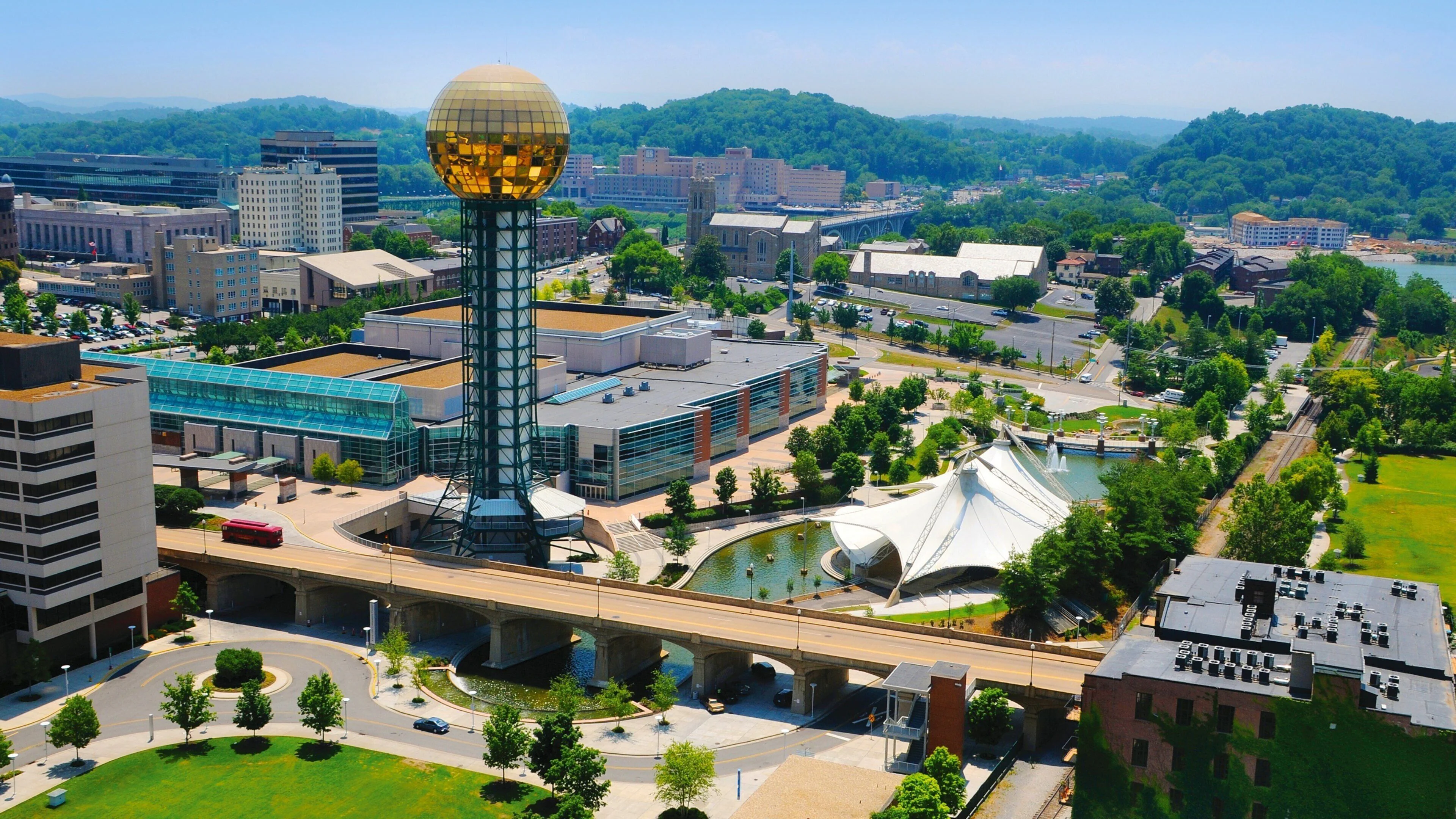
The knoxville is the anchor market: downtown convention campus, Chilhowee Park, the expo corridor, and the airport corridor all read as one map.
Read the brief →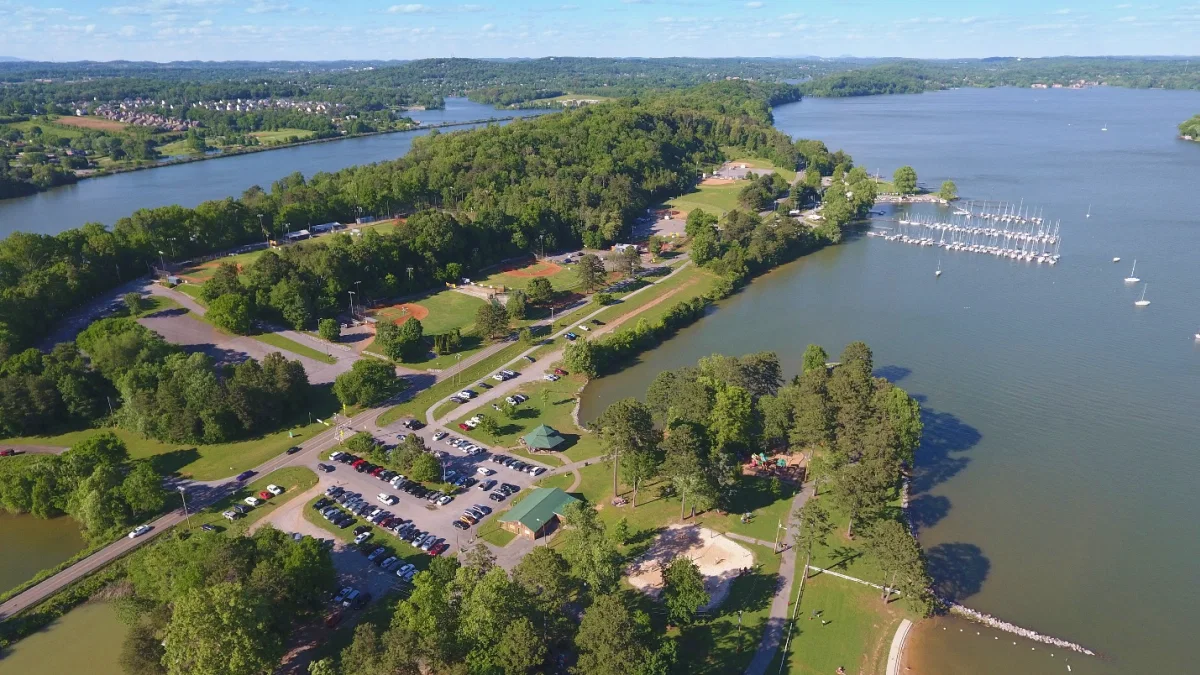
Market focus
Farragut sits west of downtown and reads as a corporate corridor with hotel inventory and quick I-40/I-75 access.
Read the brief →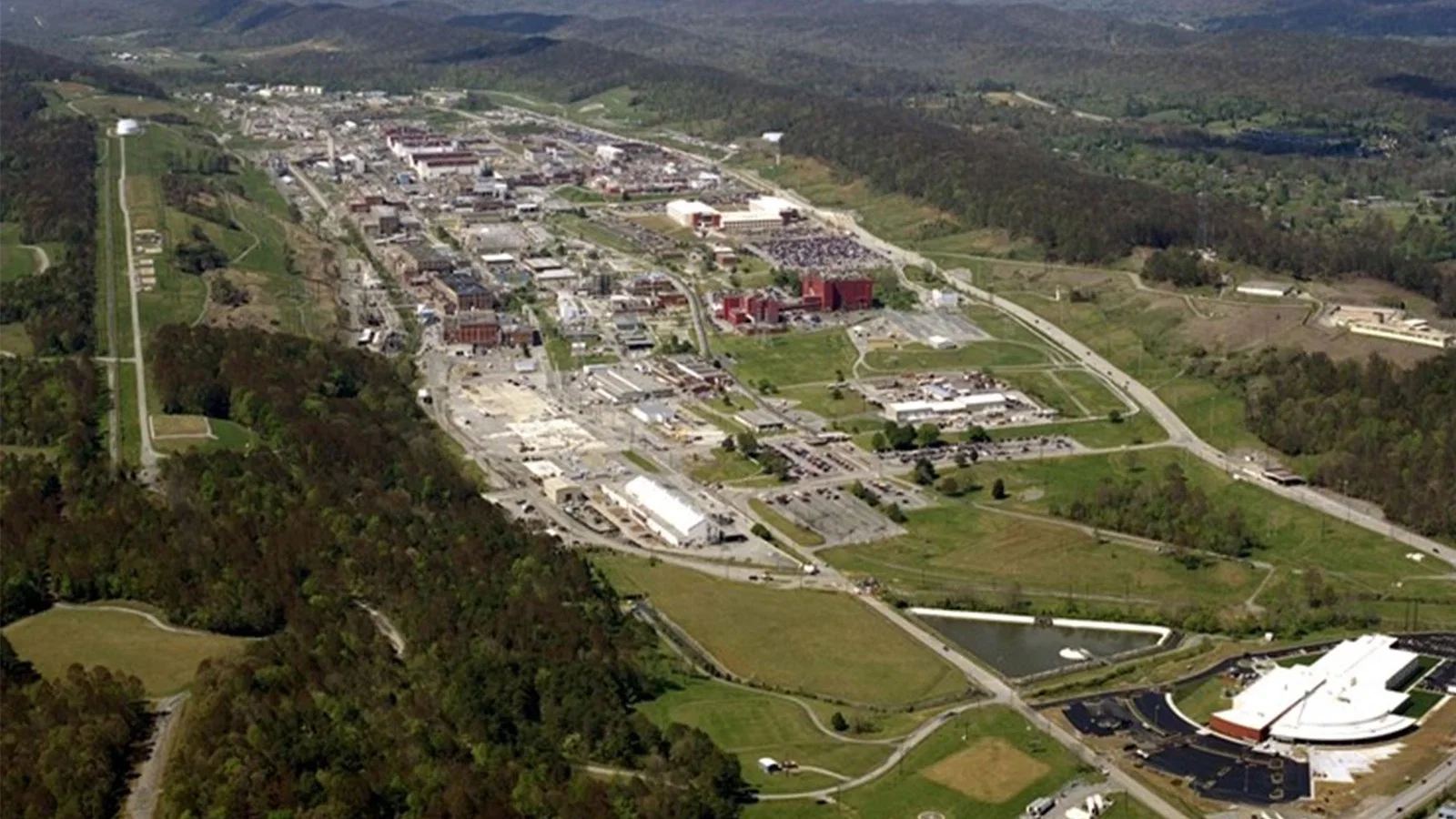
Market focus
Oak Ridge grew up around a federal research mission, and that history still shapes the kind of program that lands there today.
Read the brief →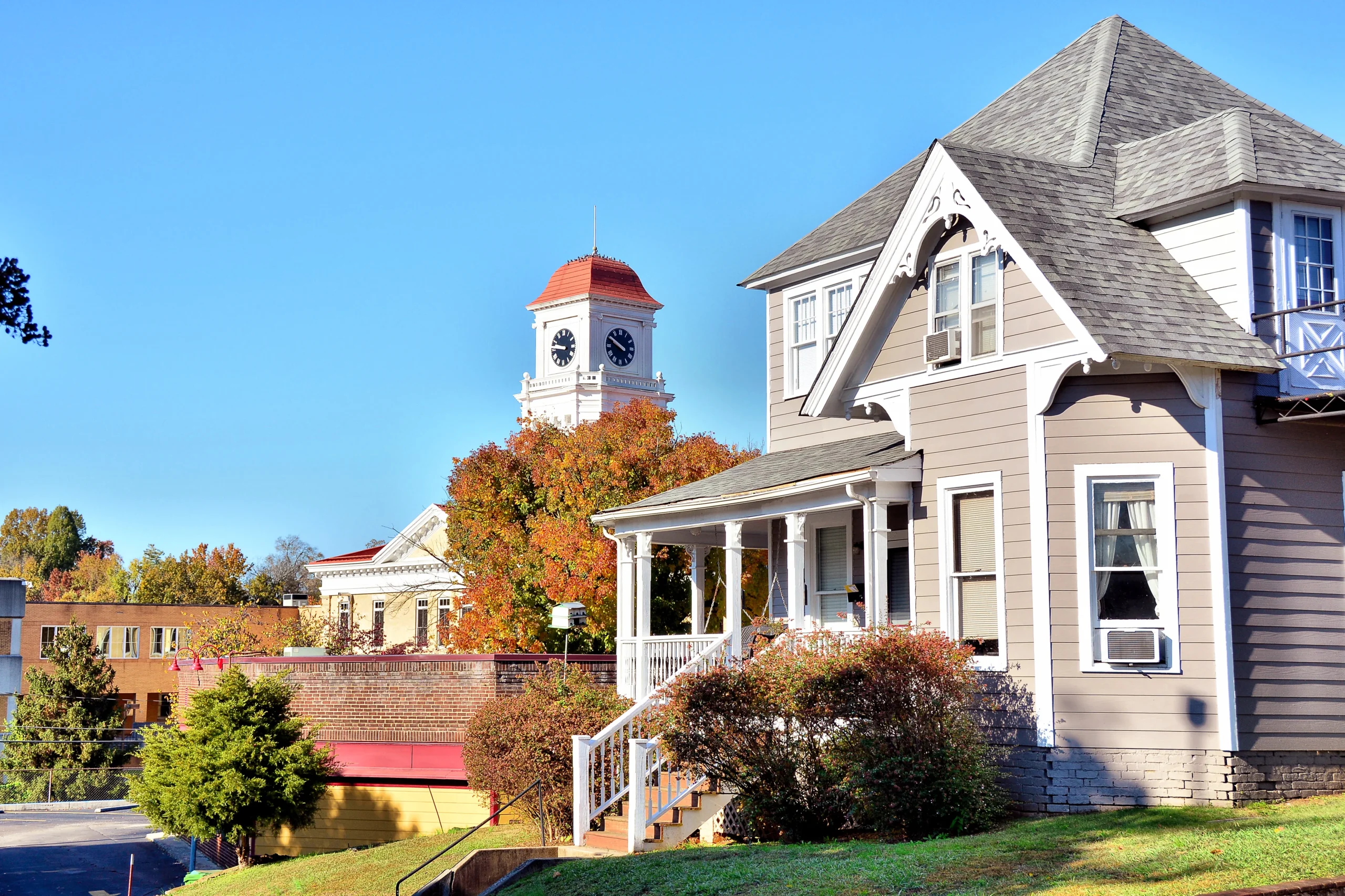
Market focus
Maryville is the Blount County seat and sits close enough to McGhee Tyson Airport to function as a practical overflow lodging market.
Read the brief →
Market focus
Alcoa is named for the aluminum company that built the entire town around its smelting operation decades ago.
Read the brief →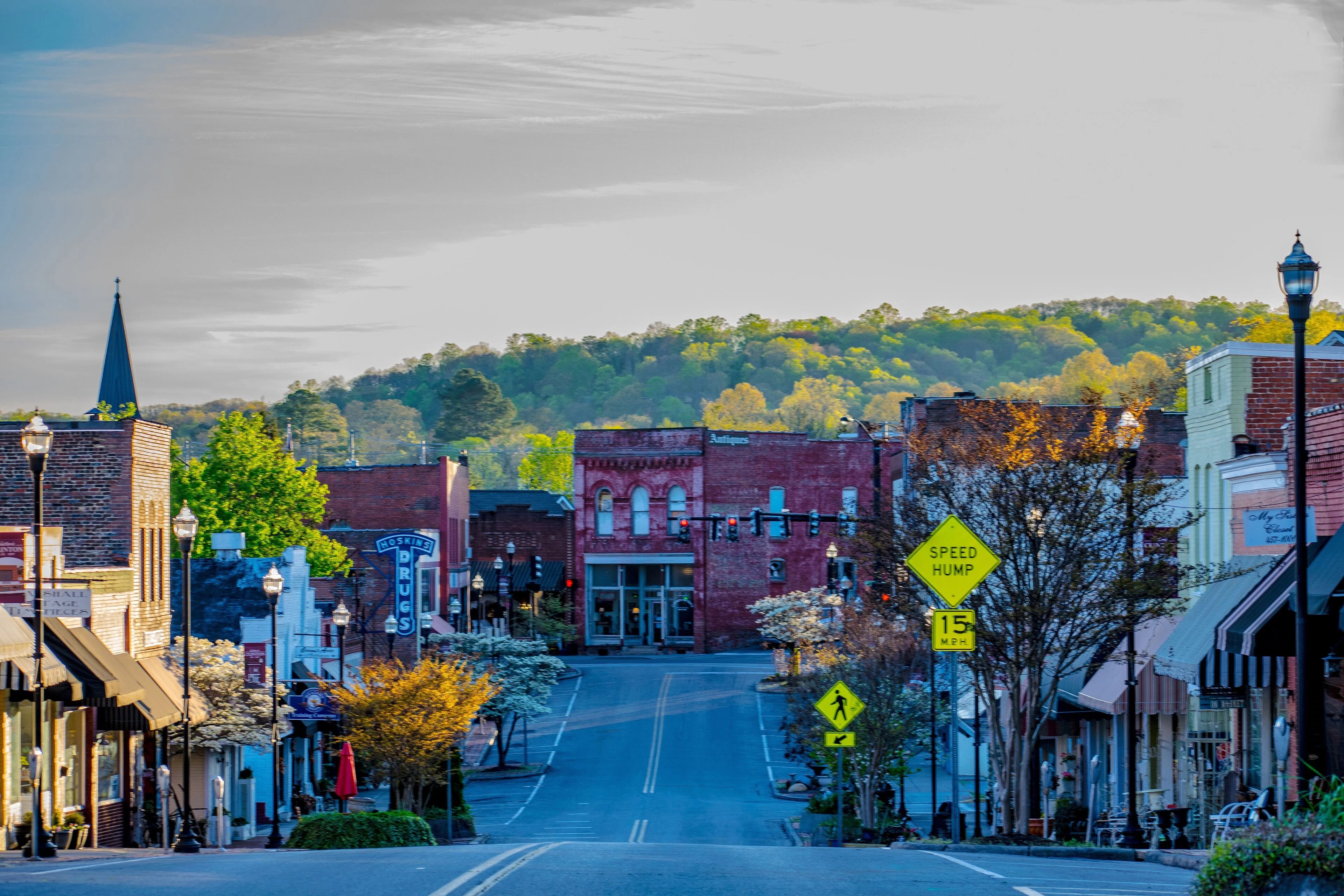
Market focus
Clinton sits directly on the I-75 corridor roughly midway between downtown Knoxville and the Oak Ridge research district.
Read the brief →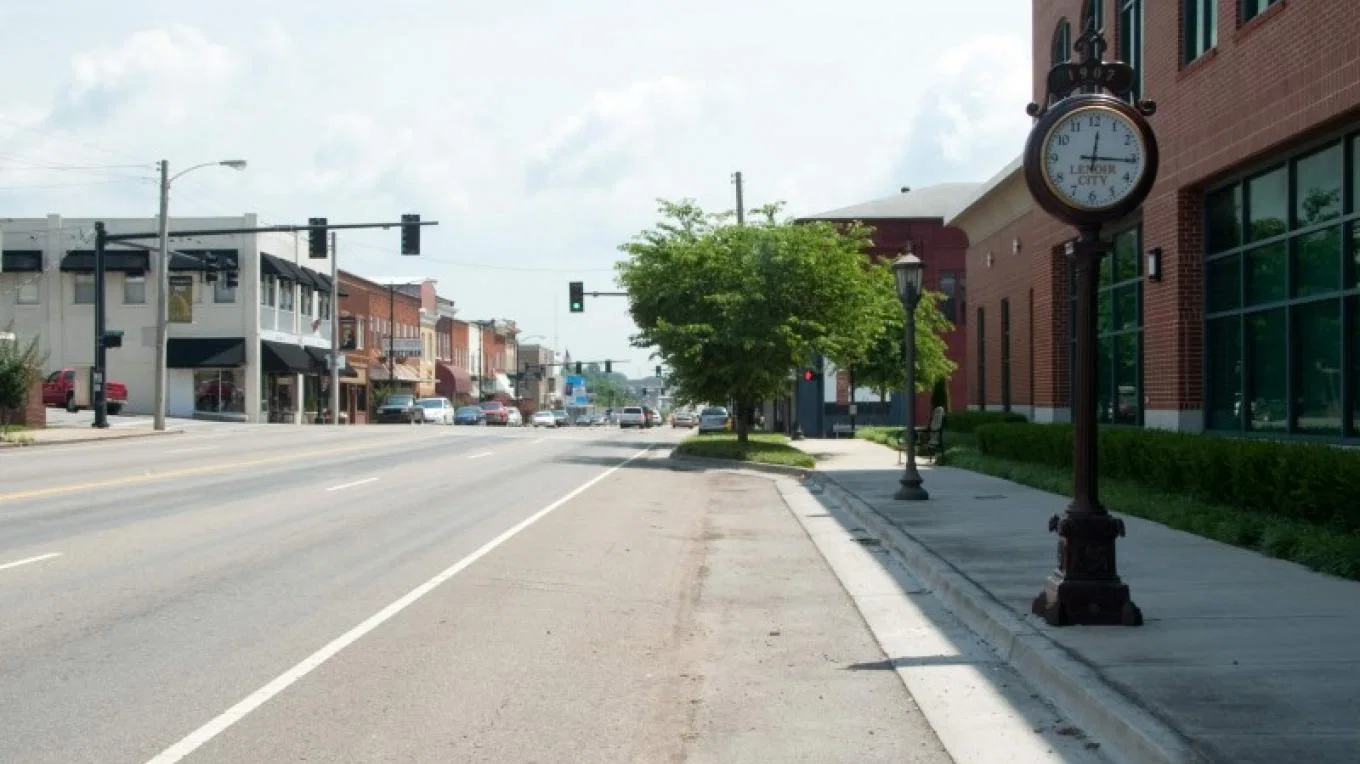
Market focus
Lenoir City is the I-40/I-75 bridge town that works as overflow lodging and a staging checkpoint for Knoxville shows.
Read the brief →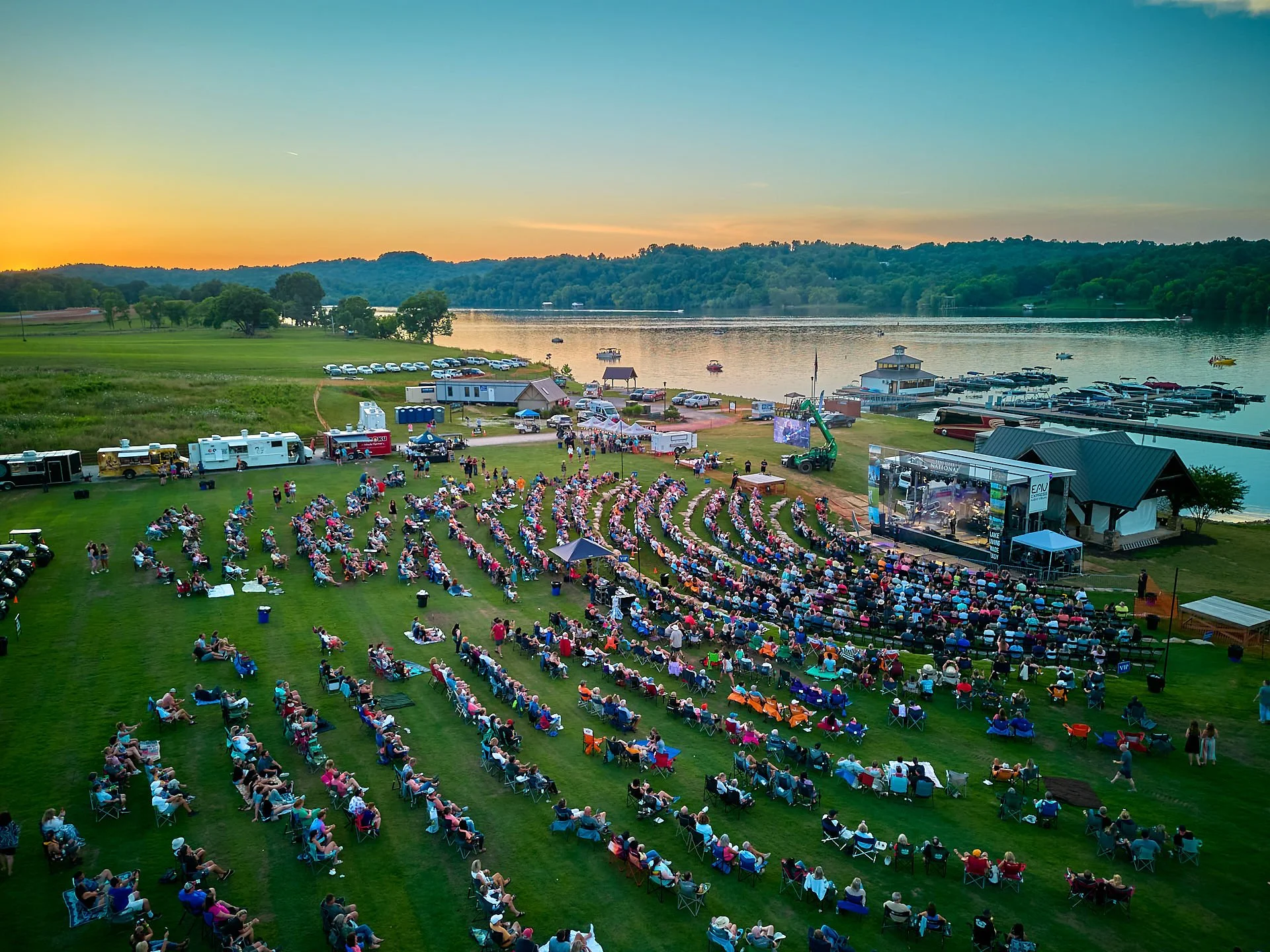
Market focus
Loudon is the Loudon County seat on Fort Loudoun Lake, useful for county-identity outreach rather than lodging or venue planning.
Read the brief →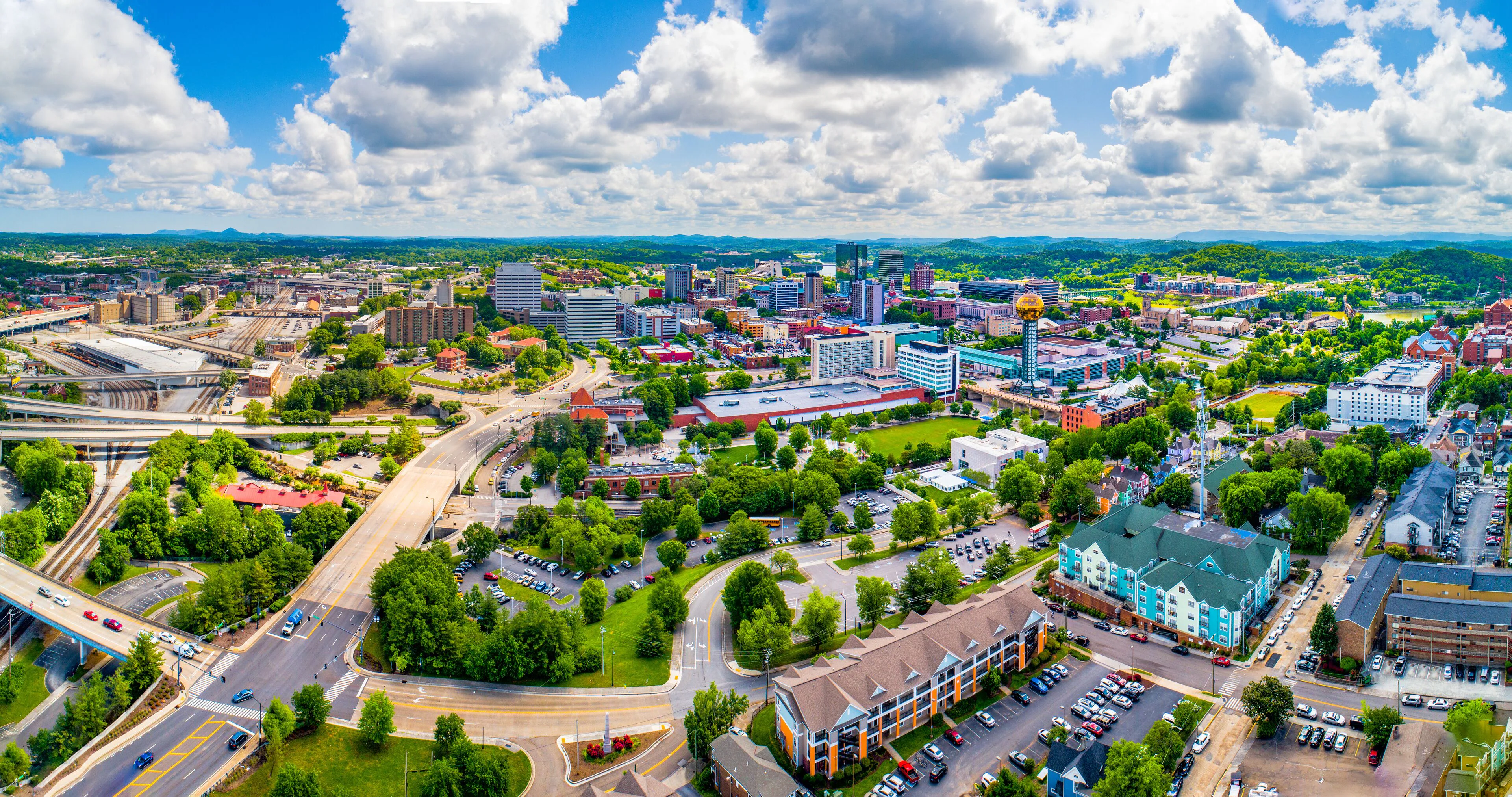
Market focus
Powell sits at the I-75/I-640 interchange, giving crews two routes into downtown and stable extended-stay lodging.
Read the brief →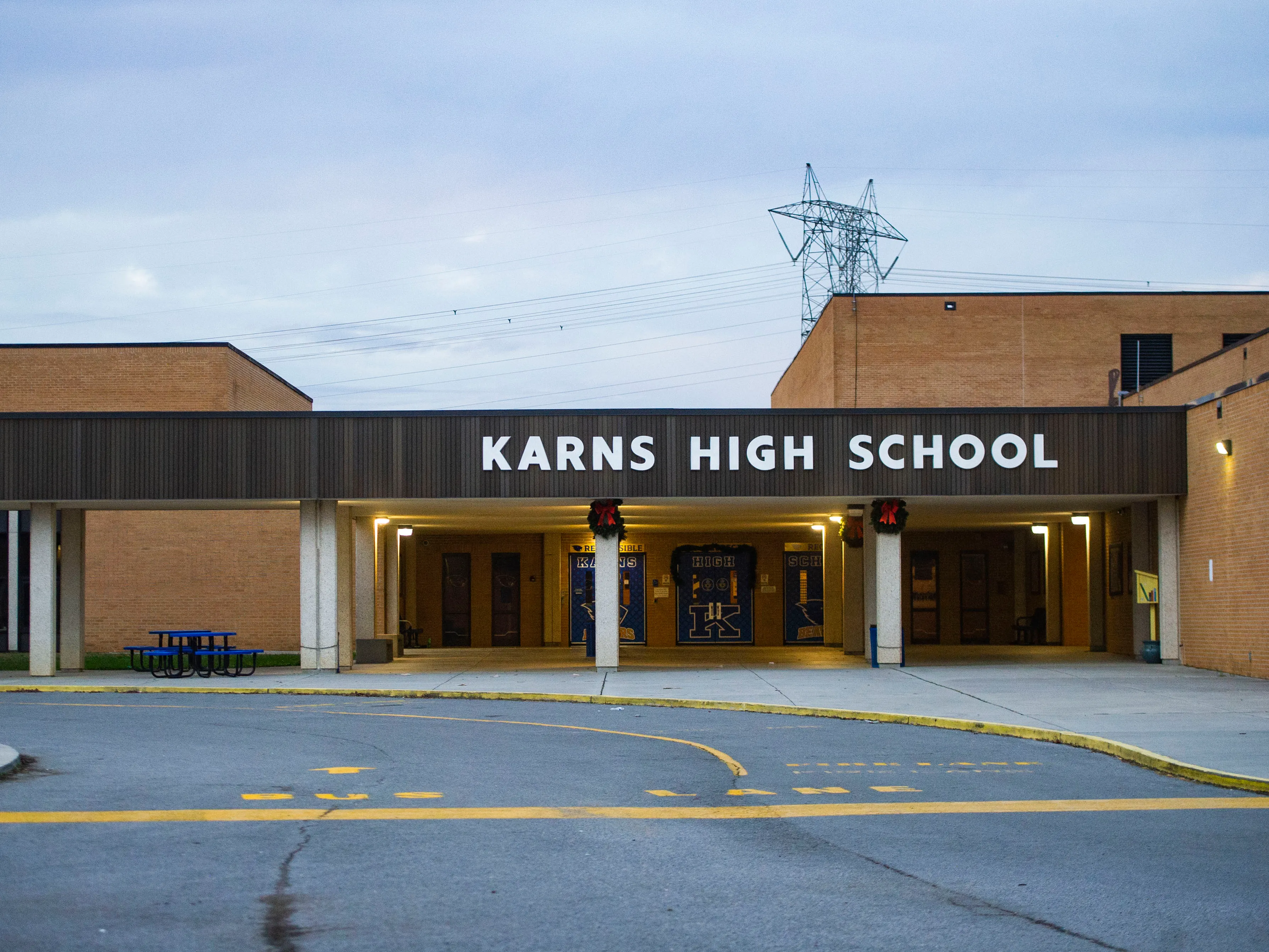
Market focus
Karns sits along Oak Ridge Highway at the eastern edge of the Oak Ridge research corridor, useful for workforce targeting.
Read the brief →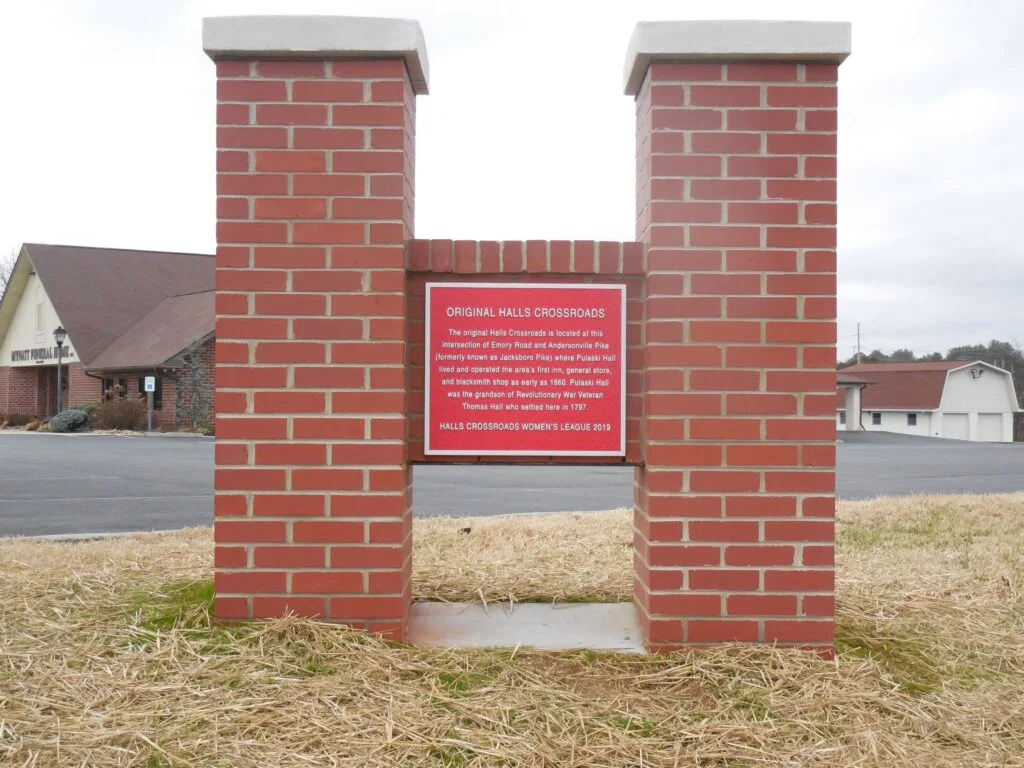
Market focus
Halls Crossroads is a north Knox residential community best used as a local attendee and workforce reference.
Read the brief →
Market focus
Hardin Valley sits on Pellissippi Parkway between downtown Knoxville and the Oak Ridge corridor, with newer lodging inventory.
Read the brief →
Market focus
Corryton is a rural northeast Knox County community off the interstate grid, useful only as an audience reference.
Read the brief →
Market focus
Strawberry Plains is the historic I-40 Holston River crossing east of downtown, useful as a drive-time reference.
Read the brief →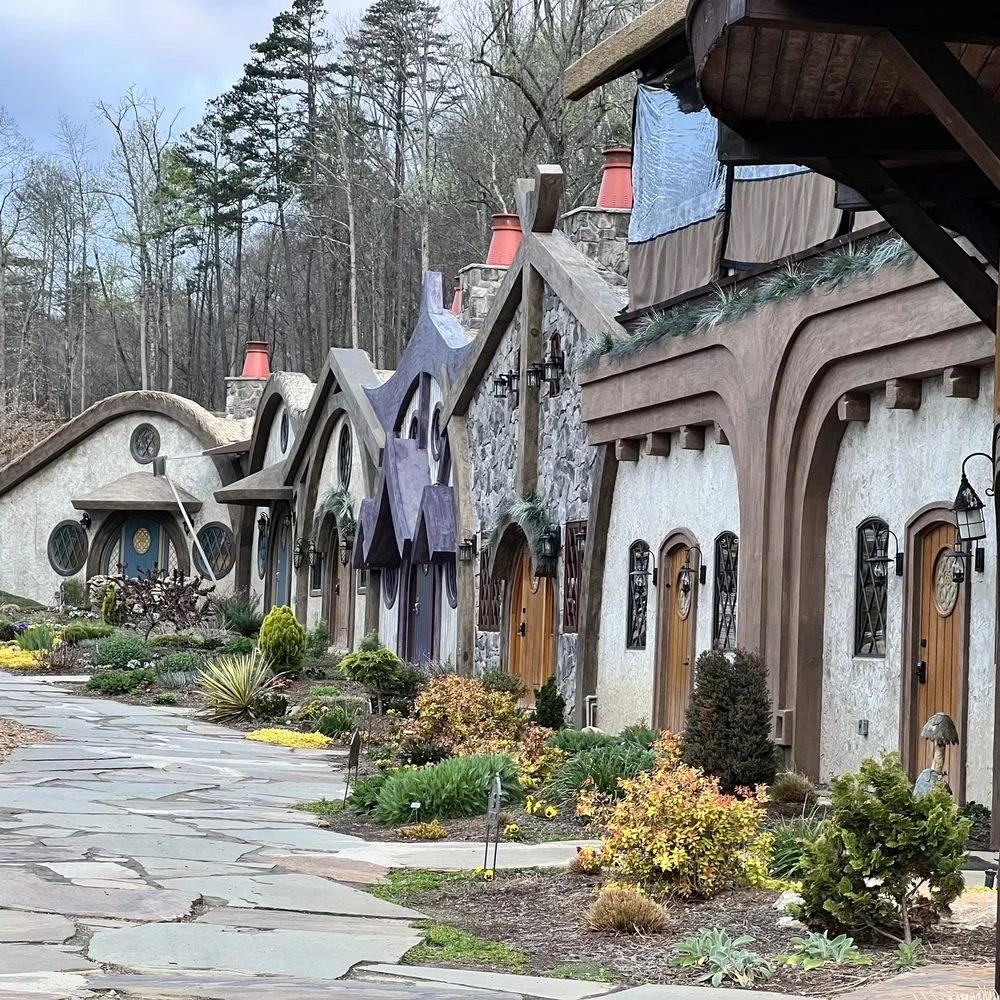
Market focus
Mascot is a small industrial, rail-freight community on the Holston River, relevant mainly to niche audience targeting.
Read the brief →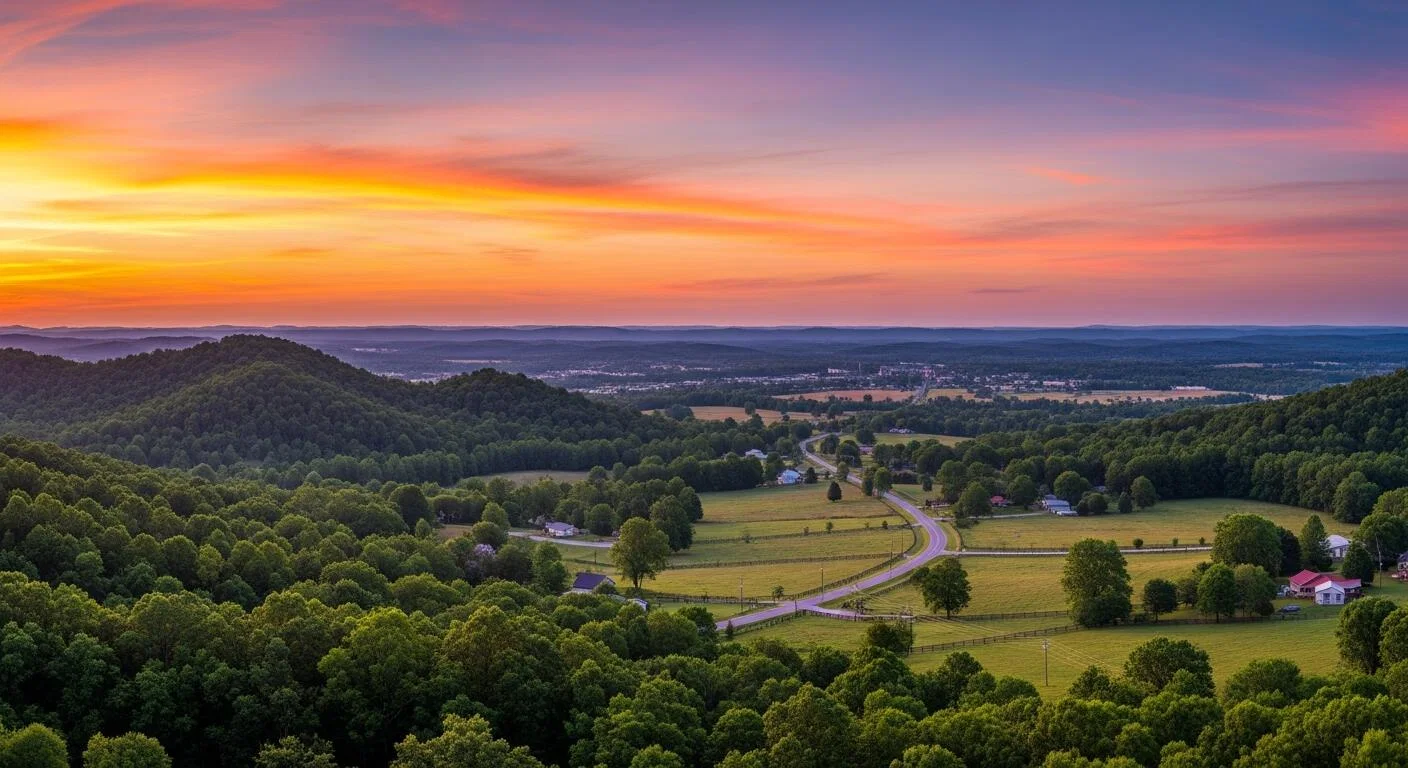
Market focus
Seymour bridges the Knoxville metro and the Smokies tourist corridor along Chapman Highway, with LeConte Center and Gatlinburg as alternate venues.
Read the brief →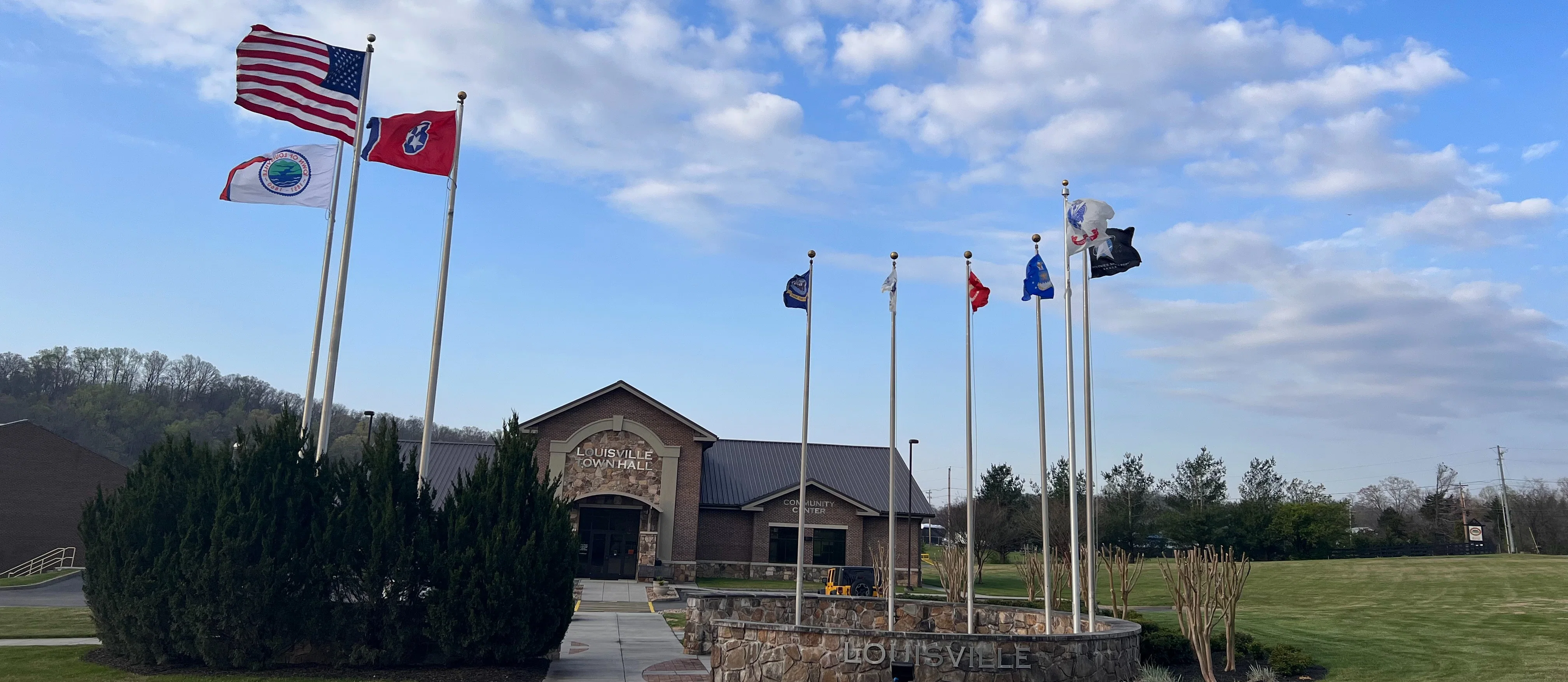
Market focus
Louisville, TN sits just south of McGhee Tyson Airport on Fort Loudoun Lake, useful for fly-in, fly-out lodging.
Read the brief →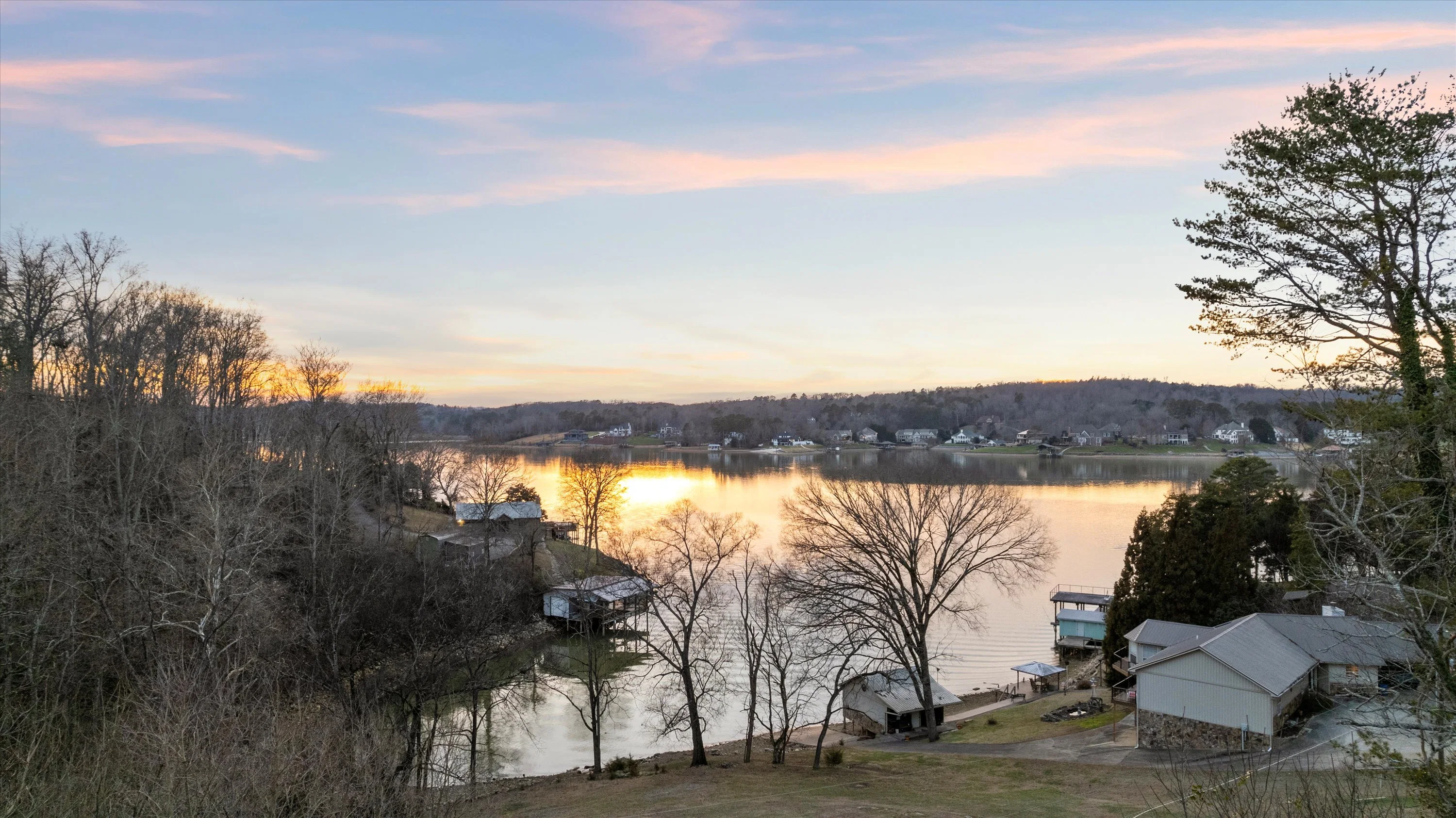
Market focus
Friendsville is a small state-route town in southern Blount County, useful as an audience note paired with Maryville.
Read the brief →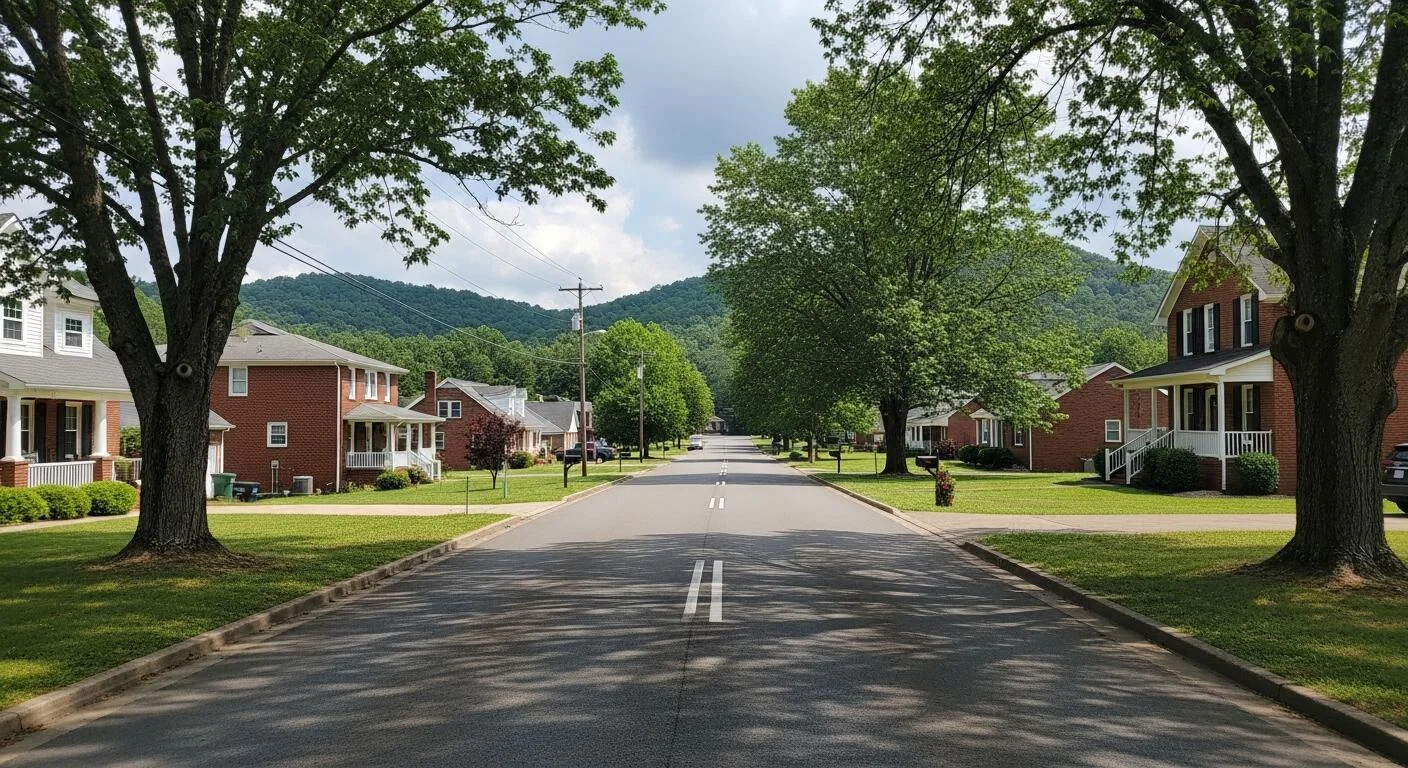
Market focus
Greenback sits at the Loudon-Blount-Monroe county line, useful as a tri-county marker for the market's southern edge.
Read the brief →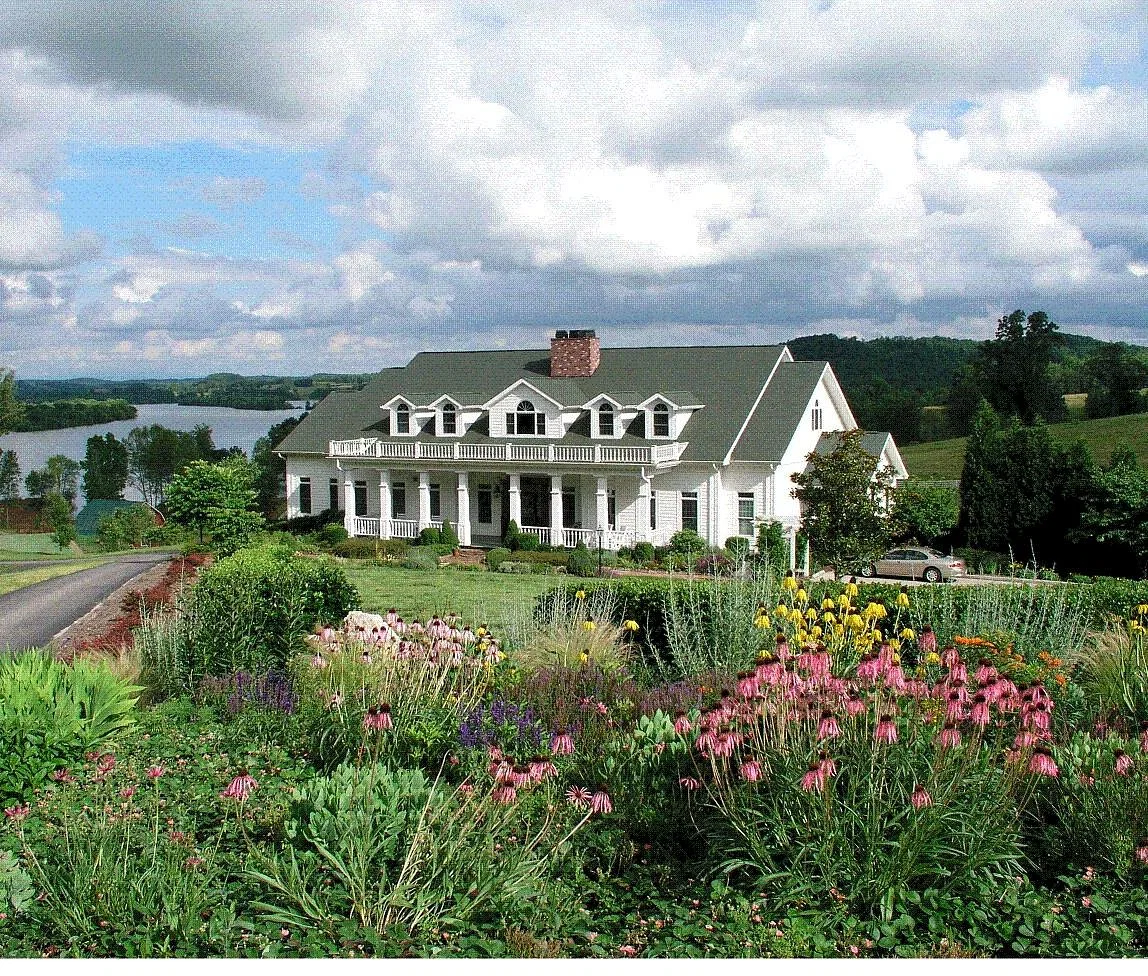
Market focus
Kingston is the Roane County seat on Watts Bar Lake, the western gateway anchor roughly forty-five minutes from downtown.
Read the brief →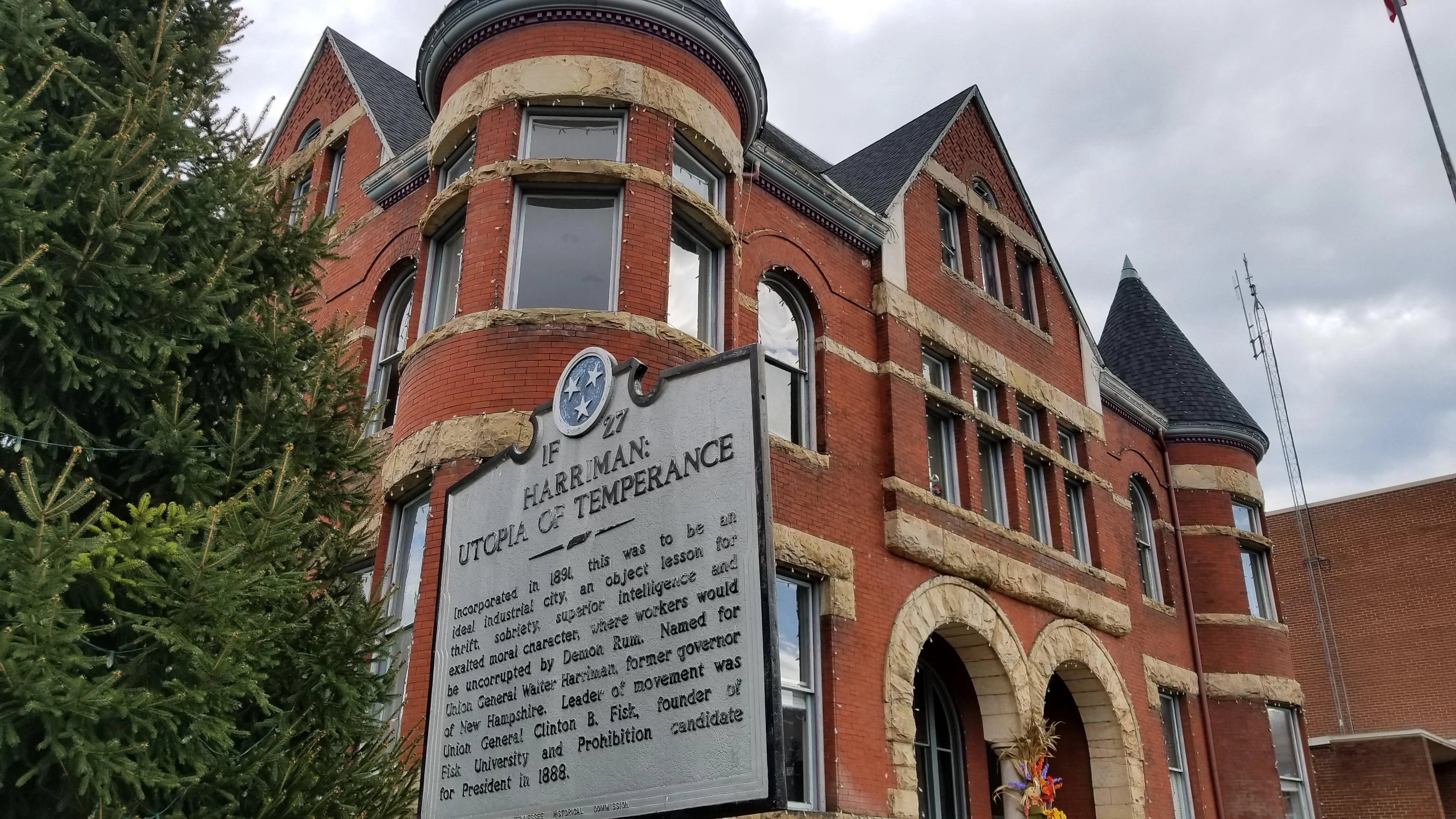
Market focus
Harriman is a historic Roane County town near the TN-58 junction toward Oak Ridge, west of Kingston on I-40.
Read the brief →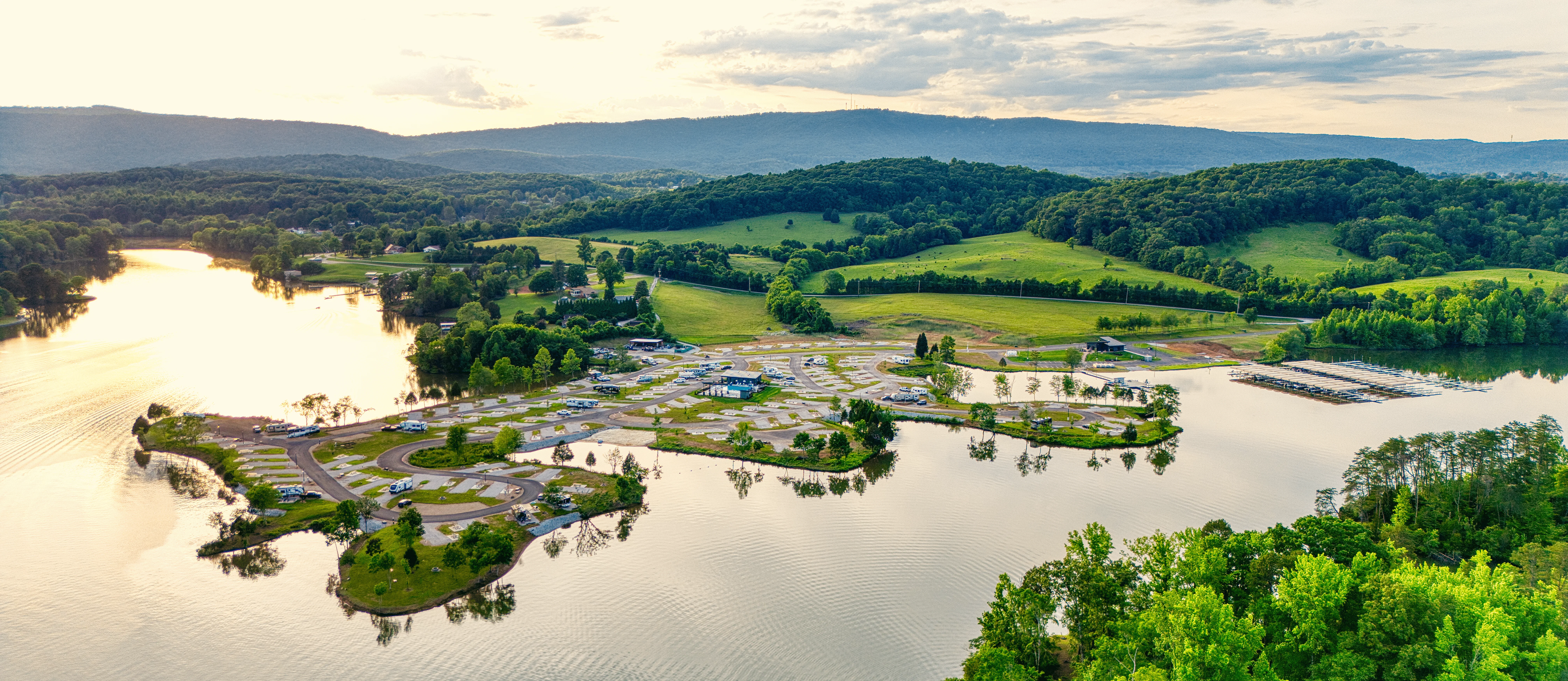
Market focus
Rockwood sits at the foot of Walden Ridge on I-40, the westernmost practical edge of same-day travel to a downtown Knoxville show.
Read the brief →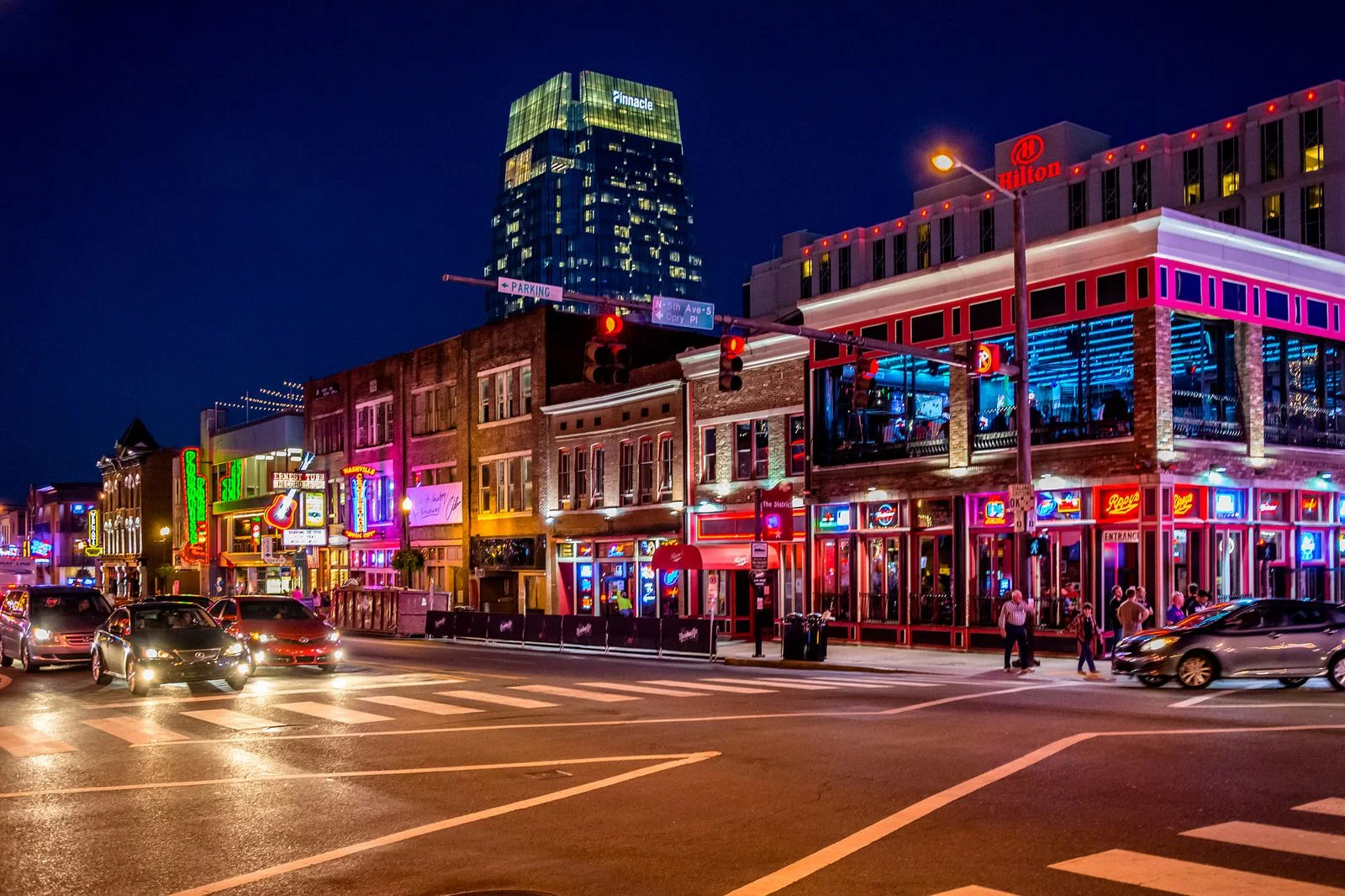
Market focus
A Carson-Newman college town on US-25E, useful as overflow lodging once downtown Knoxville blocks are gone.
Read the brief →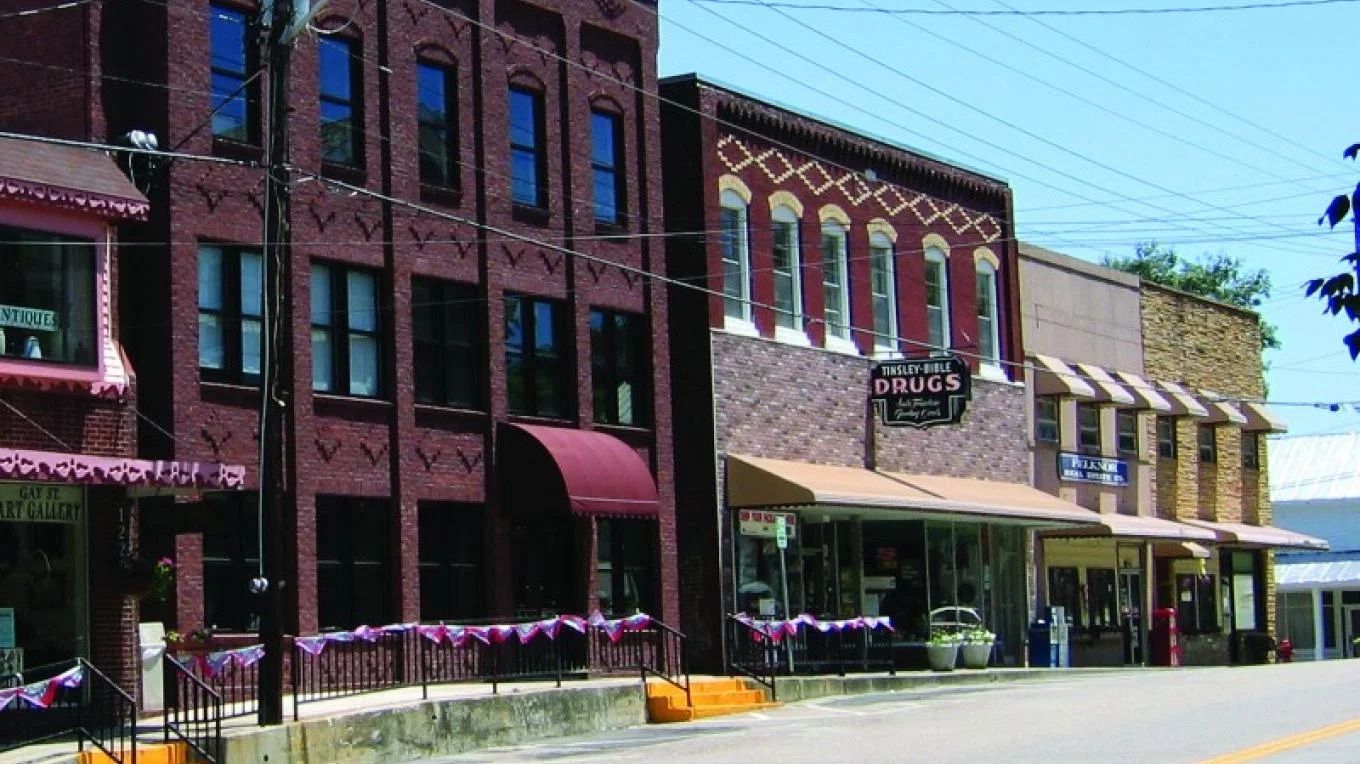
Market focus
Tennessee's second-oldest chartered town, a Douglas Lake hospitality stop rather than a load-in point.
Read the brief →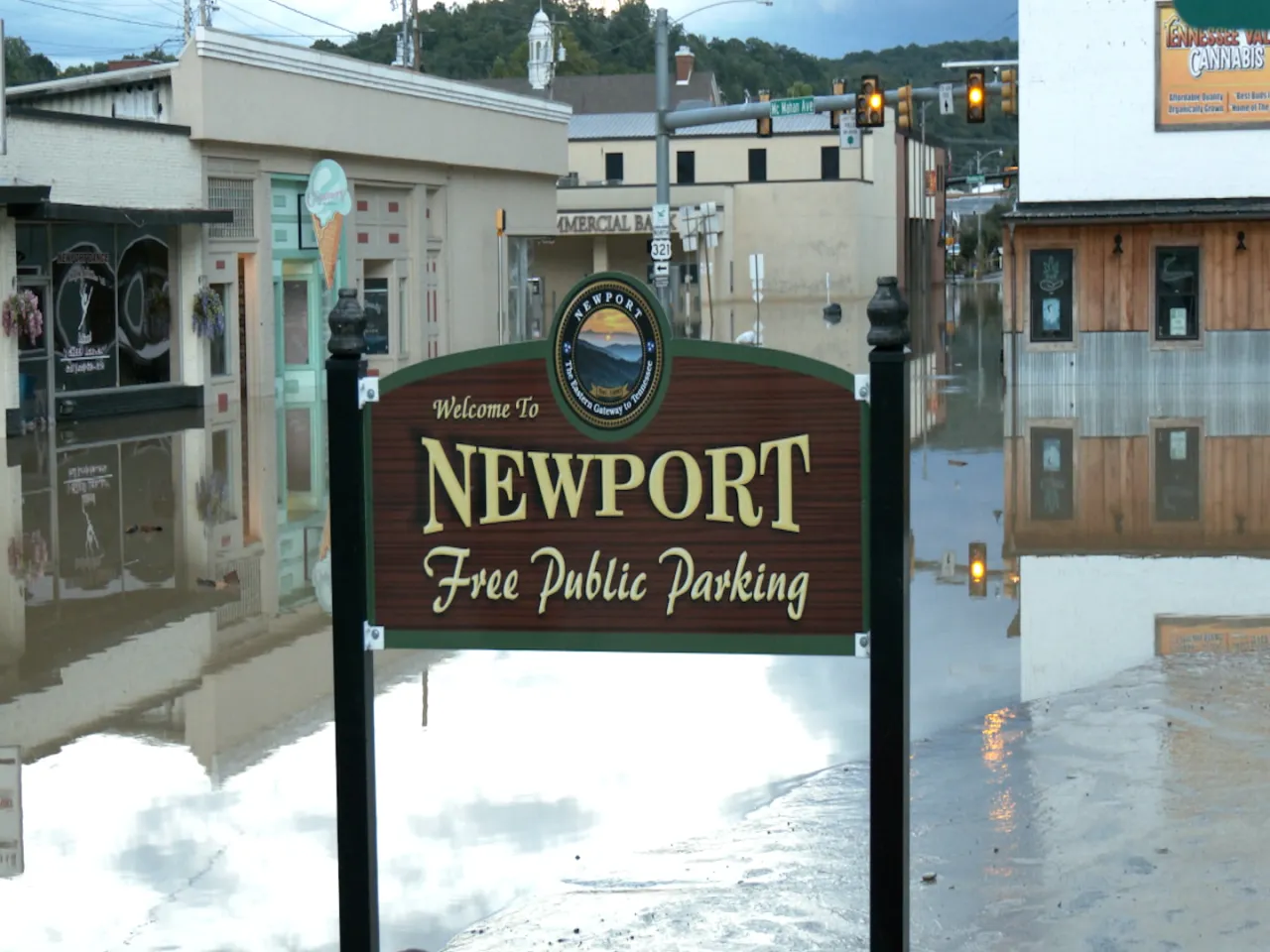
Market focus
A Pigeon River rafting town on I-40, useful as a waypoint east of Knoxville rather than a lodging base.
Read the brief →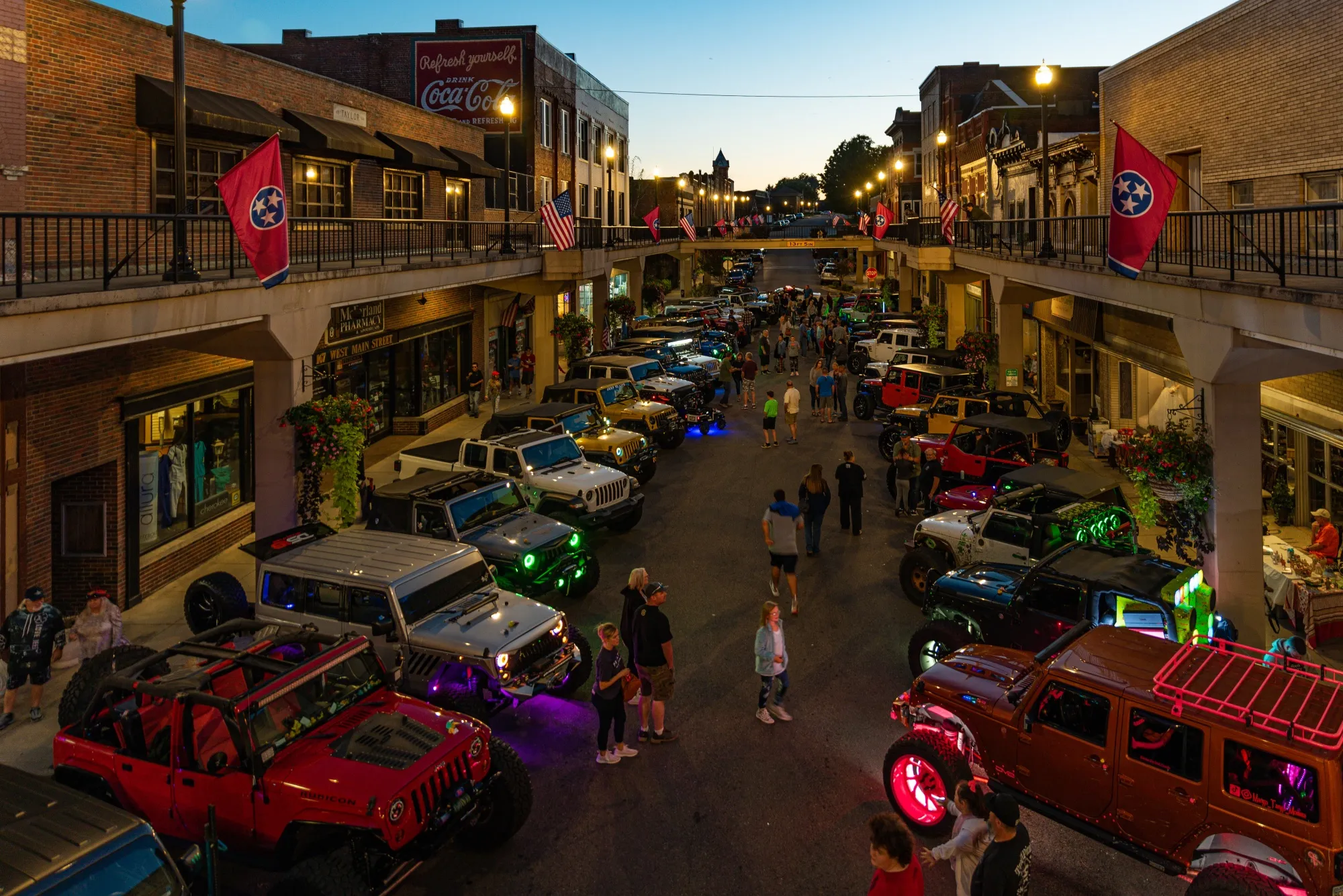
Market focus
The Hamblen County industrial anchor of the Lakeway region, with hotel demand tied to manufacturing and Walters State.
Read the brief →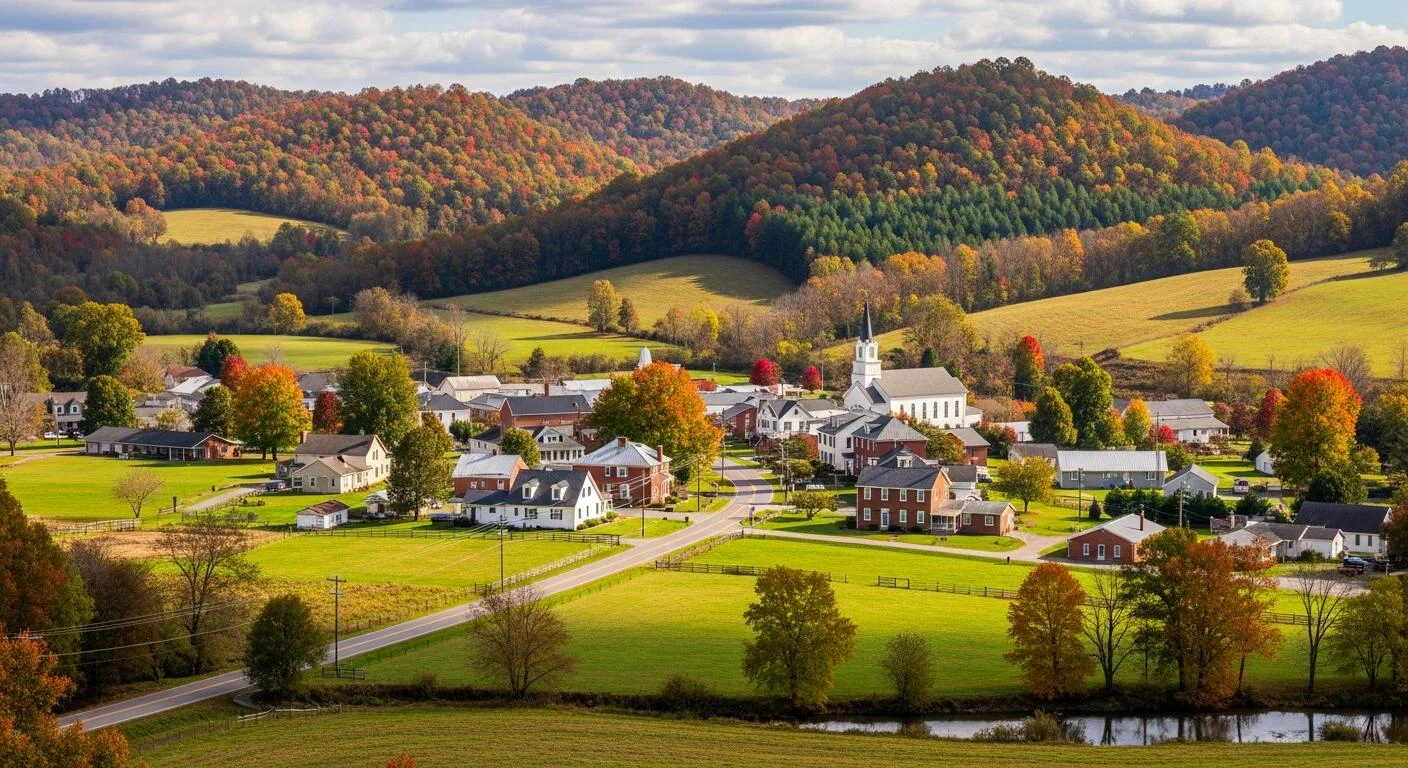
Market focus
An unincorporated US-11E crossroads community between Morristown and Jefferson City, with no hotel or venue capacity of its own to offer.
Read the brief →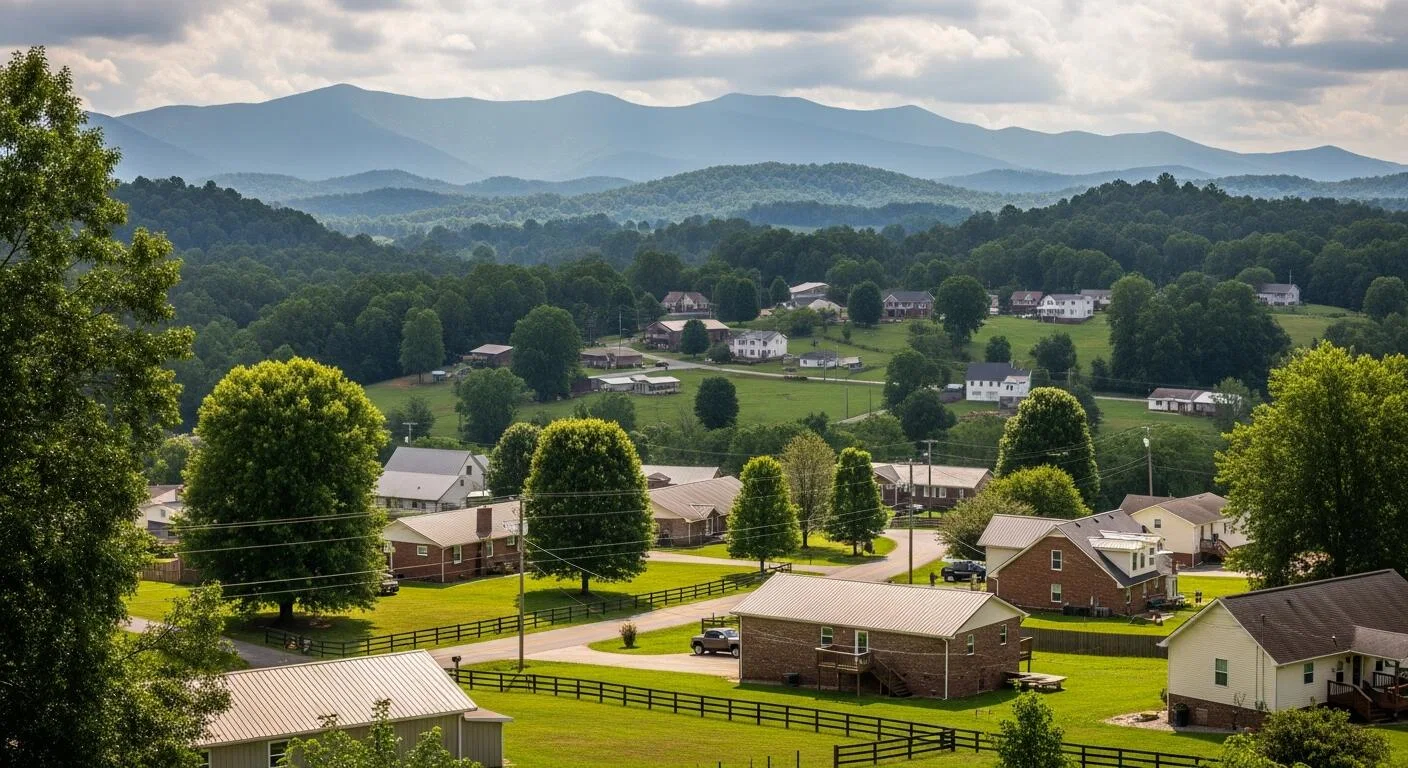
Market focus
An I-40 exit 407 retail cluster centered on the Tanger Outlets, useful as Sevierville-area overflow lodging.
Read the brief →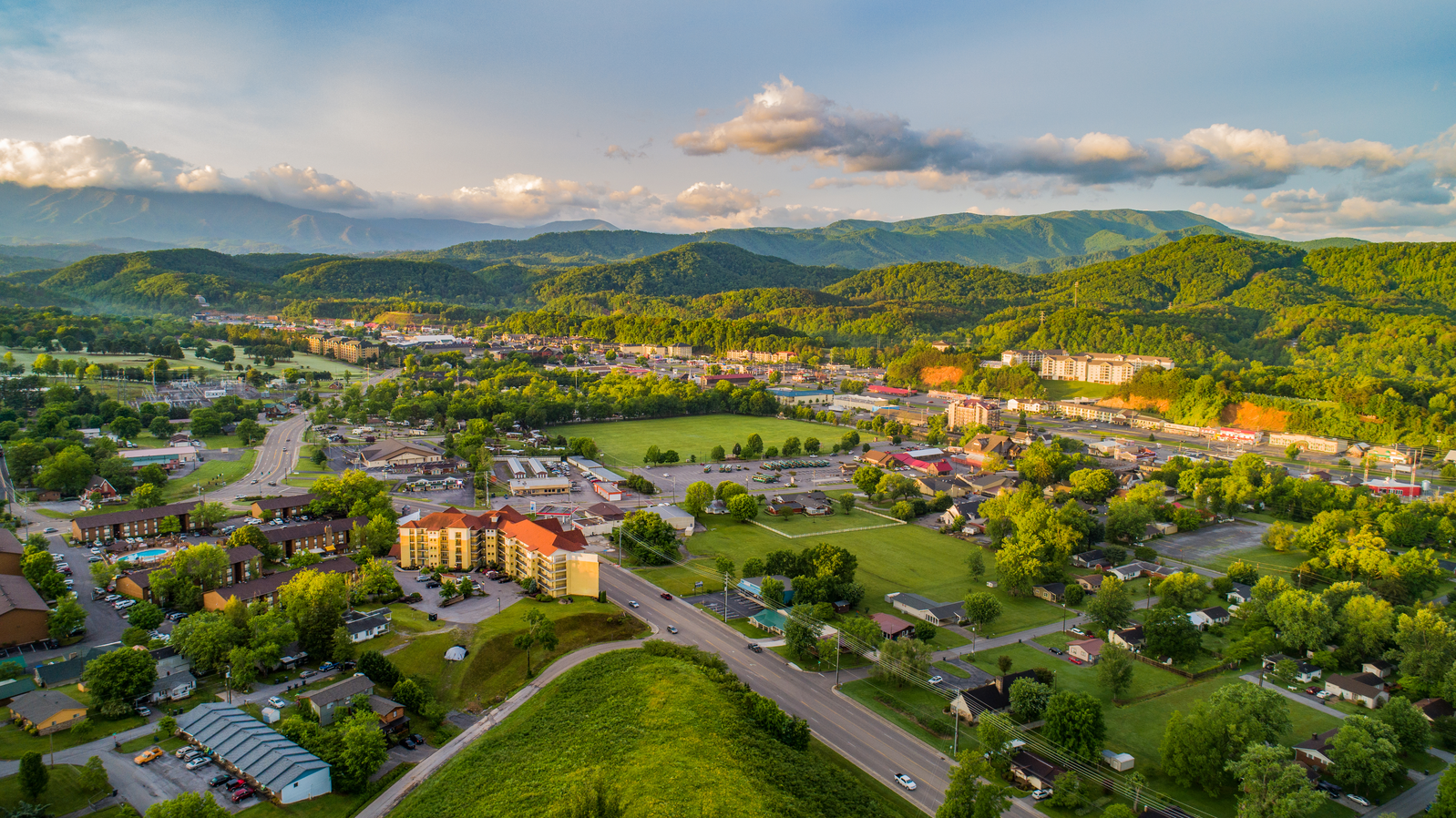
Market focus
The Sevier County seat and home of the Sevierville Convention Center, the anchor venue for the Smokies-region market.
Read the brief →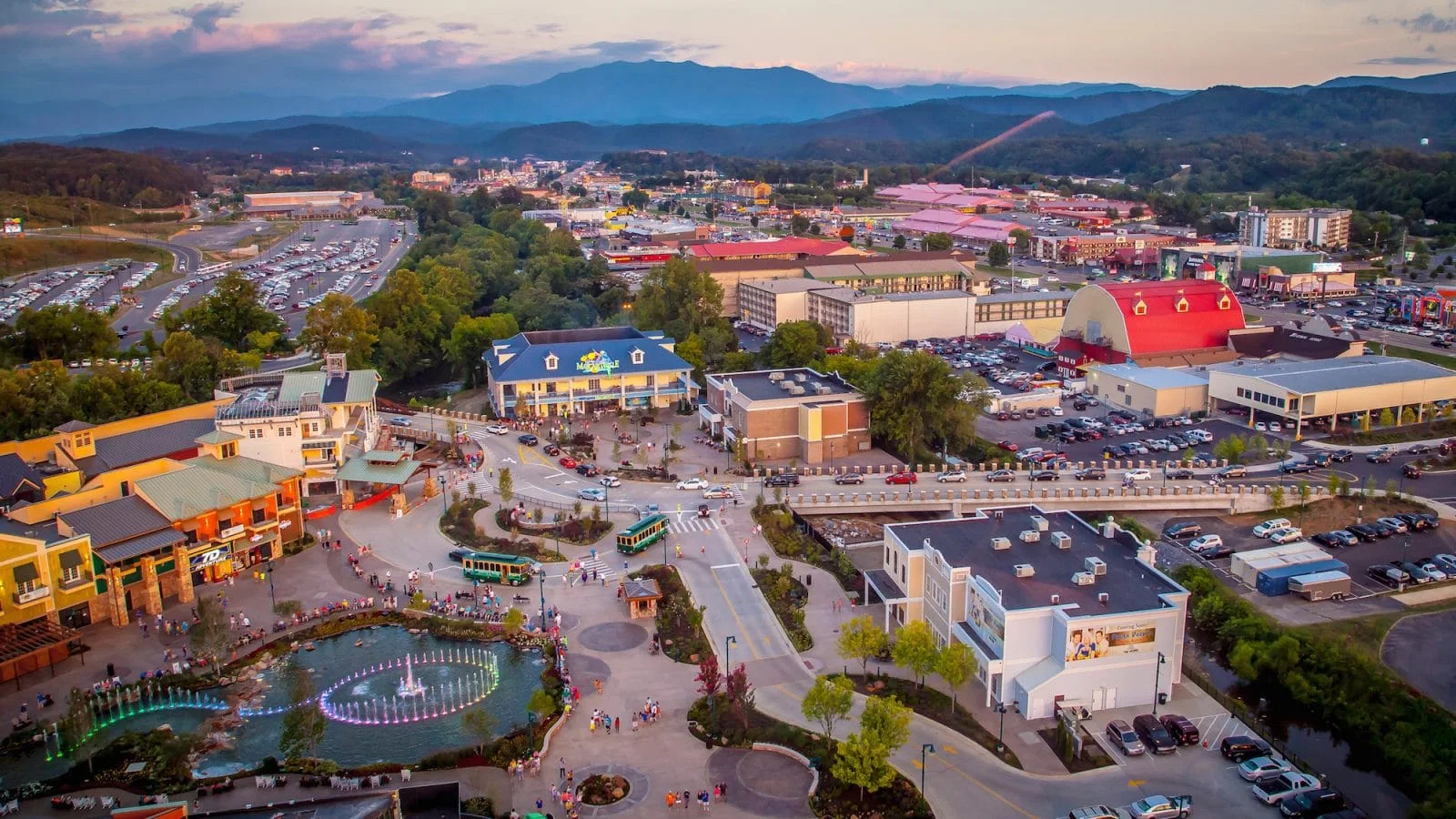
Market focus
Home to the LeConte Center, a large-format Smokies-region hall inside a Parkway tourist corridor.
Read the brief →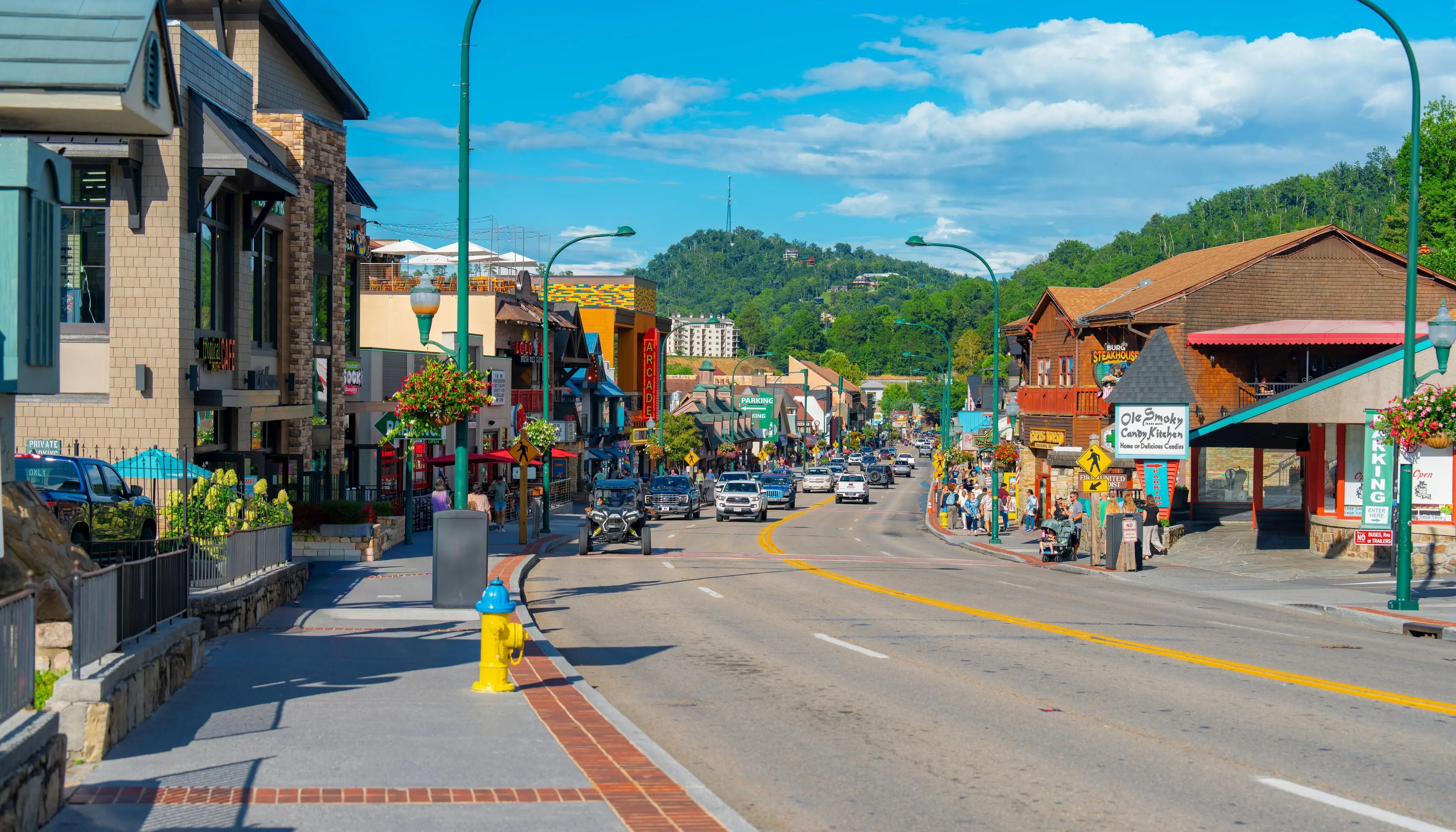
Market focus
The national park gateway town running its own downtown Gatlinburg Convention Center.
Read the brief →
Market focus
The quiet Cades Cove entrance town, fit for small retreats rather than a trade show floor.
Read the brief →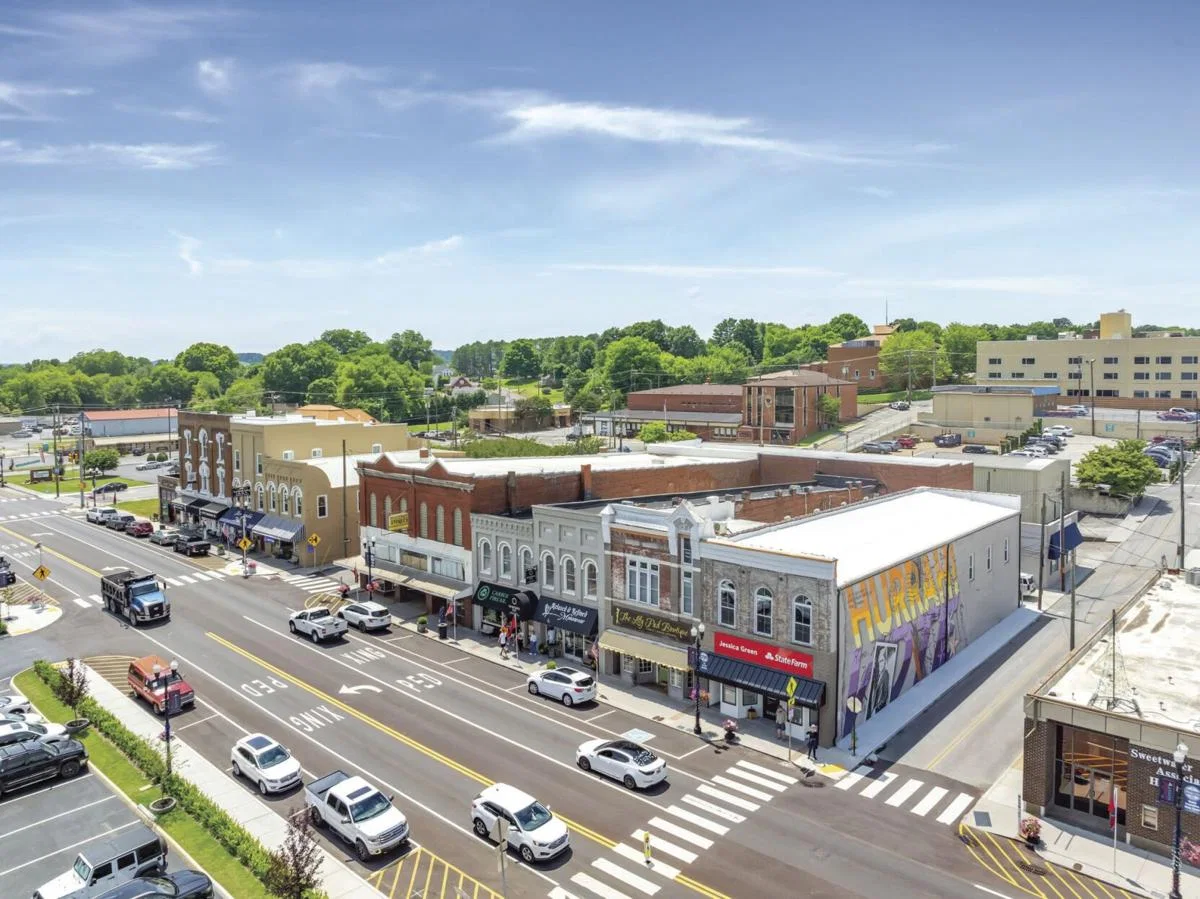
Market focus
An I-75 corridor town toward Chattanooga, home to the Lost Sea and relevant mainly to multi-stop routing.
Read the brief →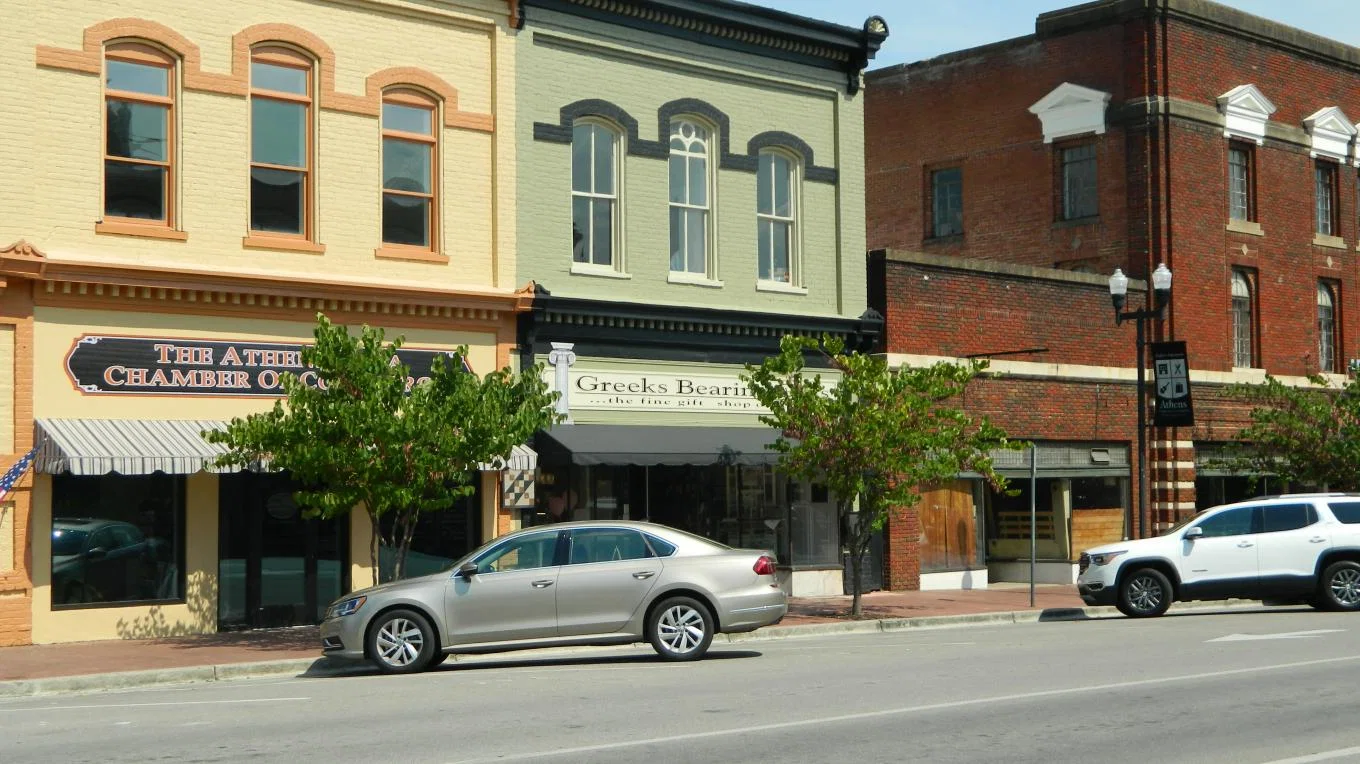
Market focus
The McMinn County seat on I-75, home to Tennessee Wesleyan University, most useful for multi-city East Tennessee routing plans.
Read the brief →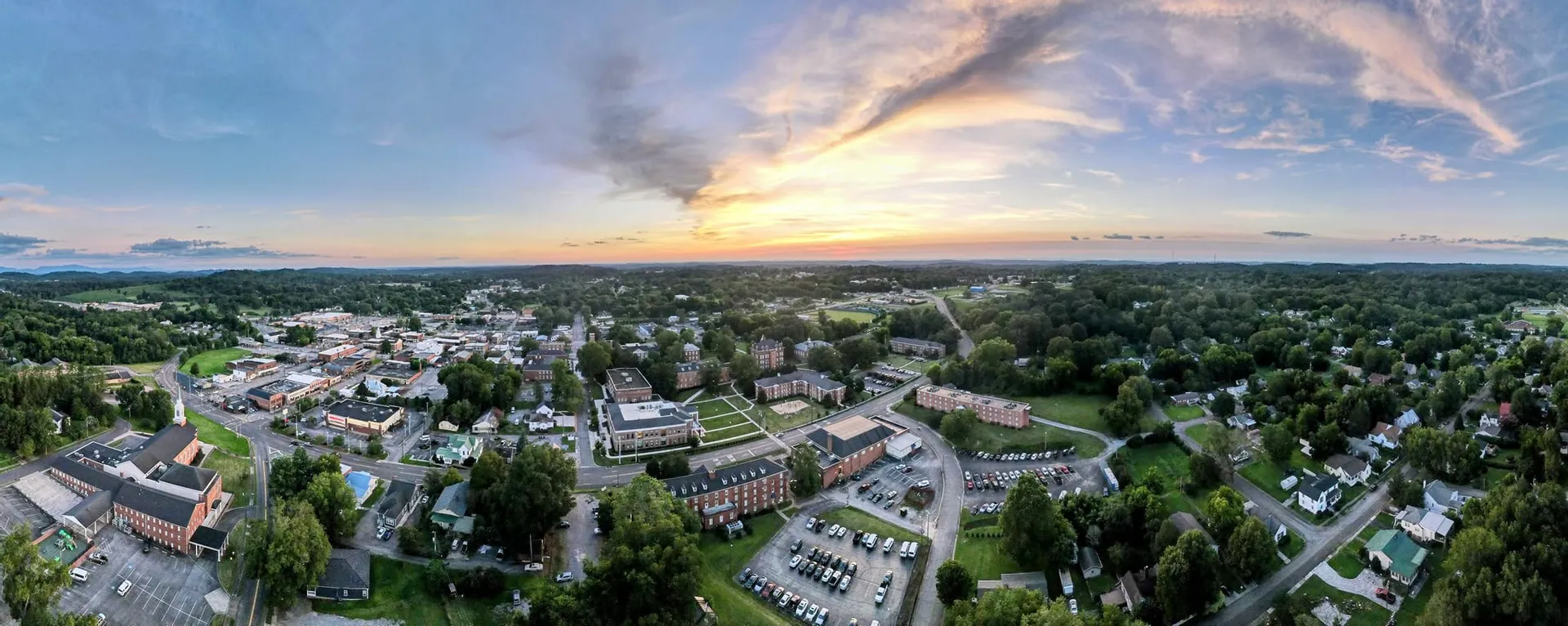
Market focus
A Cumberland Plateau town with Fairfield Glade golf and retirement demand nearby, roughly an hour west of downtown Knoxville on I-40.
Read the brief →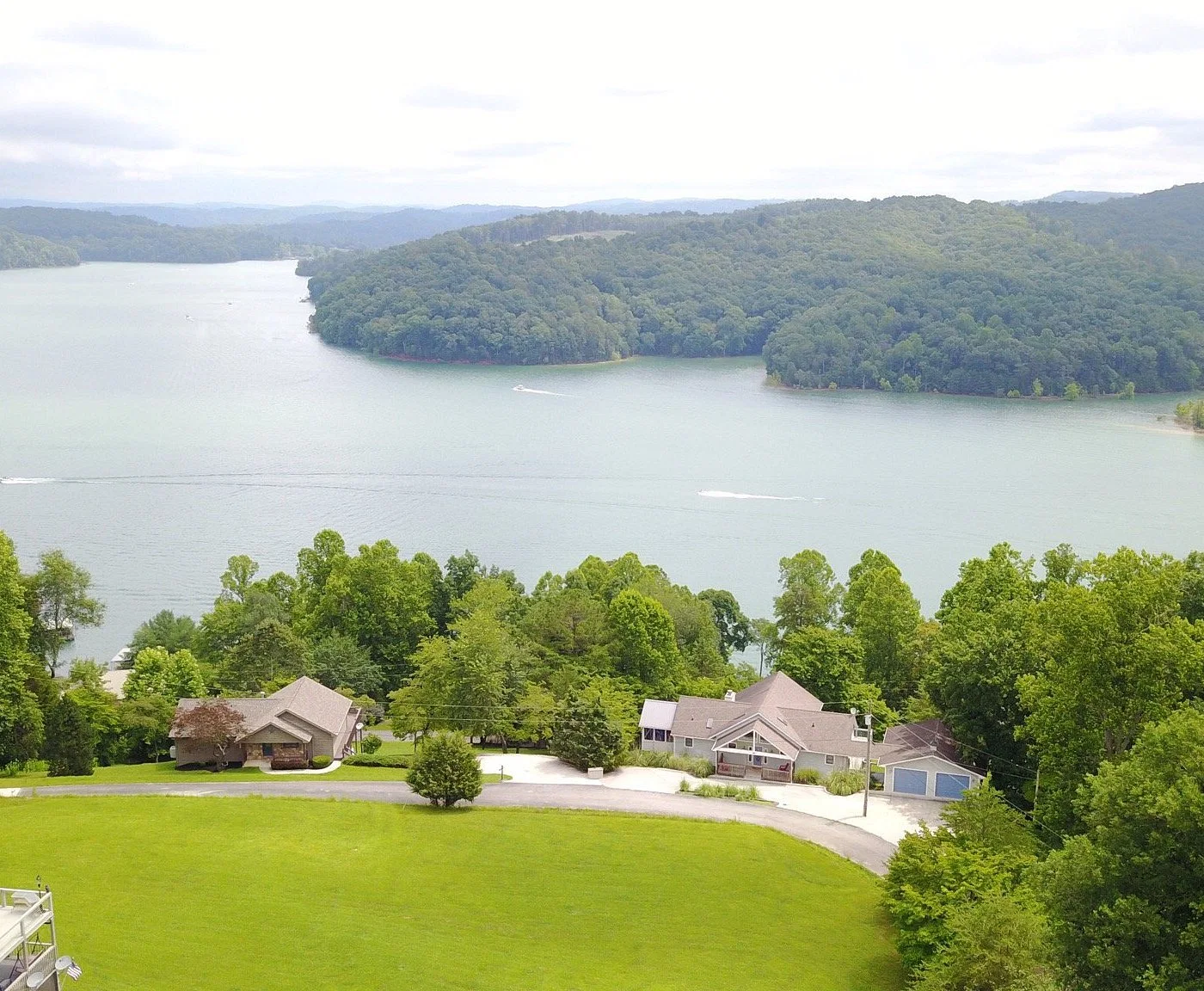
Market focus
The Campbell County seat on I-75 north of Knoxville, near Norris Lake and closer to Kentucky-direction routing.
Read the brief →Knoxville, TN has enough event volume to make locations a practical planning category rather than a filler page. The local mix of convention, hotel, civic, and regional venues gives planners multiple ways to match scope to the setting.
The cards below point to the individual undefined pages that matter most for this market. Each one ties the category back to Knoxville conditions, the local venue structure, and the decisions that shape execution.
The goal is to help planners narrow from broad intent to the specific service, venue, location, or format that best fits the show calendar and the physical building it needs to live in.
The Knoxville market supports locations because event routing here is formed by a real convention campus, regional Smokies traffic, and a broad mix of corporate and public venues.
That mix makes the category useful for buyers who need planning language that goes beyond a generic directory list.
Use the collection to compare how each page frames the same market from a different angle. One route may fit a downtown convention floor, while another is better suited to a hotel ballroom, civic auditorium, or regional event site.
That reading order keeps the site useful as a planning aid instead of an empty taxonomy shell.
Planner questions
It covers the active Knoxville routes in this taxonomy and connects each one to real market use cases.
Because the venue mix, travel access, and event calendar shape what planners should prioritize first.
Start with the route that matches the venue or use case, then compare the related options to narrow the working scope.
Need a project path?
Start with the venue, the date, and the scope. The right location usually becomes clearer once those three inputs are in place.